Essential Self-Defense Tips for Safe Camping Adventures
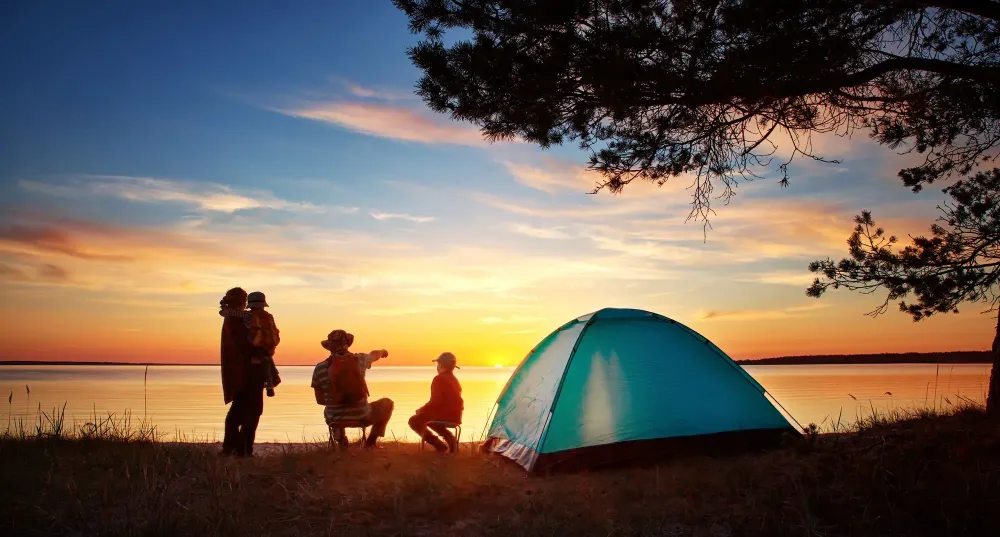
Camping is a cherished activity that offers the chance to reconnect with nature, unwind from daily stresses, and enjoy the simplicity of life outdoors. However, while the great outdoors can be both beautiful and serene, it is essential to be prepared for unexpected situations that might arise. Self-defense is an important skill set to have when camping, whether you’re out in the wilderness or at a populated campsite. This article will provide essential self-defense tips to ensure your camping adventure remains safe and enjoyable.
Understanding the Environment
Before delving into self-defense tactics, it is crucial to understand the environment you will be camping in. Each camping location presents its own unique challenges and potential threats, whether they are from wildlife or other campers.
Research the Location
Before setting off on your camping trip, conduct thorough research on the area. Familiarize yourself with the local wildlife, weather conditions, and terrain. Understanding the natural surroundings will help you anticipate potential hazards and better prepare for them.
Know the Rules and Regulations
Every campsite has rules and regulations designed to keep campers safe. These often include guidelines on food storage to prevent attracting wildlife, rules about campfires, and regulations on where you can set up camp. Abiding by these rules is a foundational step in ensuring your safety.
Essential Self-Defense Gear
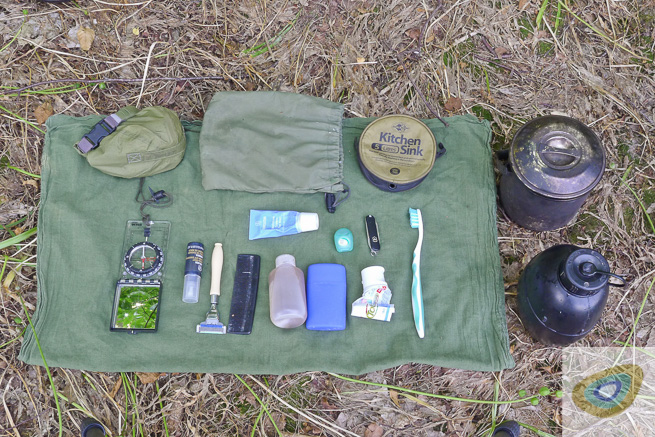
Having the right gear can make a significant difference in a self-defense situation. Here are some items that can enhance your safety while camping:
Personal Alarm
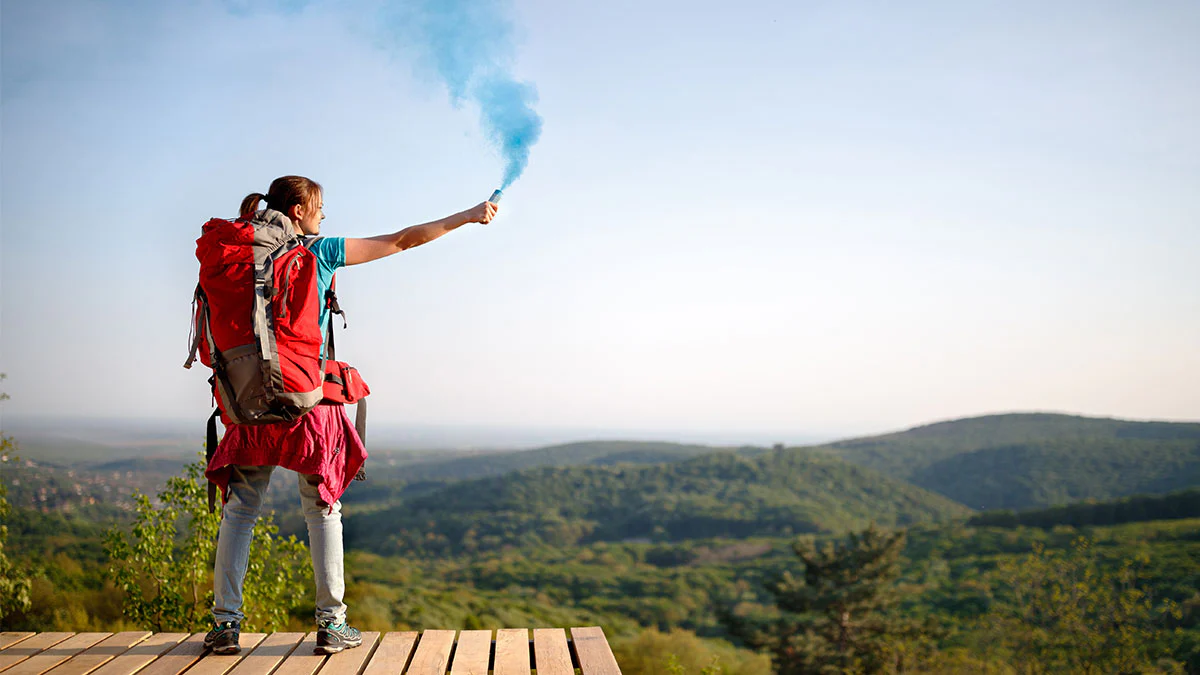
A personal alarm is a small, portable device that emits a loud noise when activated. It can be used to scare off potential threats and alert others nearby that you need help.
Whistle
A whistle is another simple yet effective tool for self-defense. It can be used to signal for help if you find yourself in a dangerous situation. Make sure it’s easily accessible, such as on a lanyard around your neck.
Flashlight
A sturdy, bright flashlight can serve multiple purposes. In addition to illuminating your path, it can be used to temporarily blind an attacker, giving you a chance to escape.
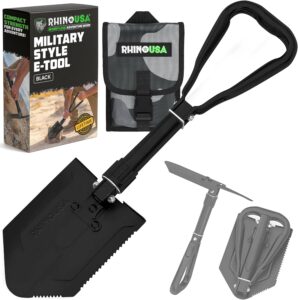
Multi-tool
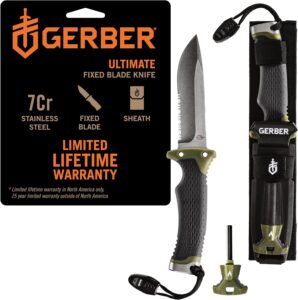
A multi-tool is an invaluable piece of gear for any camper. In addition to its practical uses, some tools can be used for self-defense in a pinch.
Self-Defense Techniques
While having the right gear is important, knowing how to use your body effectively is crucial in a self-defense situation. Here are some techniques to keep in mind:
Stay Aware
The most effective self-defense strategy is awareness. Stay alert to your surroundings, and trust your instincts. If something feels off, it probably is. Avoid distractions like headphones or excessive phone use.
Keep Your Distance
Maintaining distance between yourself and a potential threat is key. Use your voice to assertively tell an approaching person to stop. If they continue to approach, be ready to defend yourself.
Use Your Voice
Your voice is a powerful tool. Shouting can scare off an attacker and alert others to your situation. Practice using a strong, confident voice to deter threats.
Basic Physical Techniques
– **Palm Strike**: A palm strike to the nose or chin can be effective in fending off an attacker.
– **Knee Strike**: A knee to the groin can incapacitate an aggressor long enough for you to escape.
– **Elbow Strike**: The elbow is a strong point of the body and can be used effectively in close contact to strike the head or torso.
Dealing with Wildlife
Encounters with wildlife can be intimidating, but knowing how to react can prevent dangerous situations.
Bear Safety
If you are camping in bear country, it is crucial to store food properly and keep a clean campsite. If you encounter a bear, do not run. Instead, speak calmly, back away slowly, and make yourself look larger.
Snake Awareness
Snakes are often more afraid of you than you are of them. Watch where you step, especially in tall grass or rocky areas. If bitten, remain calm and seek medical attention immediately.
Insect Protection
Insects can be more than just a nuisance; they can carry diseases. Use insect repellent and wear long sleeves and pants to minimize exposure.
Safety in Numbers
There is strength in numbers, and camping with a group can provide additional safety.
Stick Together
Traveling with others can deter potential threats, human or animal. Stick together during hikes and other activities, especially at night.
Communication
Establish a communication plan with your group. Walkie-talkies can be useful for staying in touch when exploring areas with no cell service.
Emergency Preparedness
Being prepared for emergencies can make the difference between a minor mishap and a major crisis.
First Aid Kit
Always carry a well-stocked first aid kit and know how to use it. Include items like bandages, antiseptic wipes, and any personal medications.
Know Basic First Aid
Take a basic first aid course to familiarize yourself with how to treat common injuries, such as cuts, sprains, and insect bites.
Have an Escape Plan
Know your surroundings and have a plan for how to evacuate if necessary. This includes knowing the quickest route to your vehicle or a nearby ranger station.
Conclusion
Camping is a rewarding experience that allows you to connect with nature and enjoy the outdoors. By understanding the environment, carrying essential self-defense gear, learning basic techniques, and being prepared for emergencies, you can ensure that your camping adventures remain safe and enjoyable. Remember, the key to self-defense is preparation and awareness. With the right mindset and tools, you can confidently face any challenge that comes your way while camping.

Post Comment