Top Budget Camping Tips for Beginners
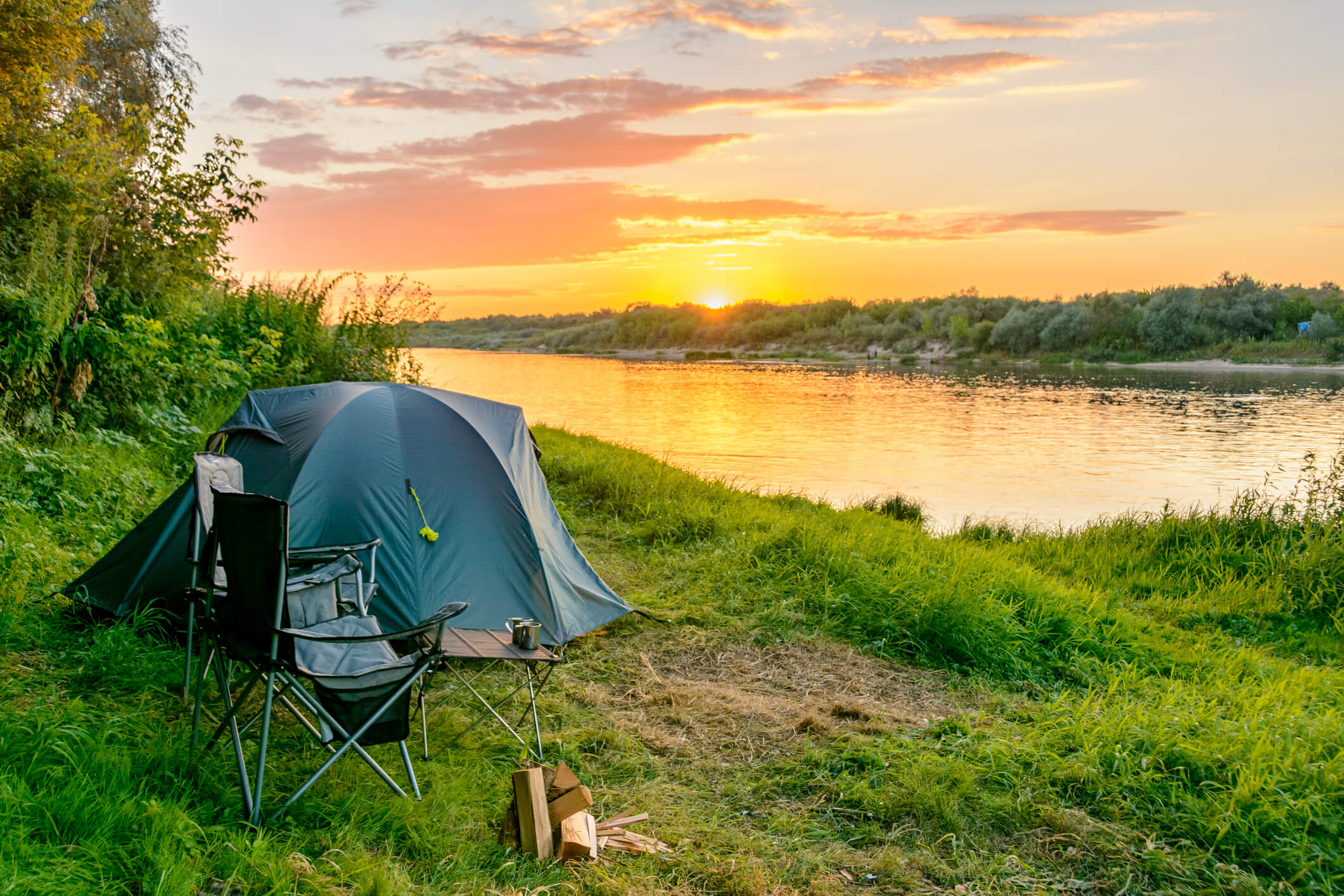
Camping is a fantastic way to immerse yourself in nature, escape the hustle and bustle of everyday life, and create unforgettable memories with friends and family. However, for beginners, the cost of camping gear and supplies can be daunting. Fortunately, camping on a budget is entirely possible with some thoughtful planning and a few strategic tips. This article will guide you through the top budget camping tips for beginners, ensuring a memorable experience without breaking the bank.
Plan Your Trip Wisely
Choose the Right Location
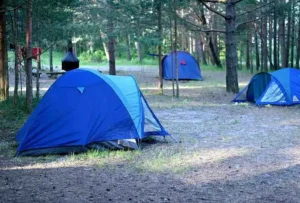
Selecting the right campsite is crucial for a budget-friendly camping trip. National and state parks often offer affordable camping options with stunning natural beauty. Research campgrounds in your area or desired destination, and look for those that offer low-cost or even free camping permits. Keep an eye out for off-peak seasons when camping fees may be reduced, and the crowds are smaller.
Plan Your Stay Duration
Shorter trips can help keep costs down, especially if you’re new to camping. A weekend getaway can provide a refreshing outdoor experience without the need for an extensive supply list. Once you gain confidence and experience, you can plan for longer excursions.
Borrow or Rent Gear
Borrow from Friends or Family
Before investing in expensive camping equipment, consider borrowing gear from friends or family members. Many people have camping gear they rarely use and may be happy to lend it to you. This approach allows you to test different equipment and determine what you like before making any purchases.
Rent Camping Gear
If borrowing isn’t an option, renting camping equipment can be a cost-effective solution. Many outdoor retailers and local camping stores offer rental services for tents, sleeping bags, stoves, and more. Renting gear gives you the chance to try out high-quality equipment at a fraction of the cost.
Shop Smart for Essential Gear
Prioritize Your Purchases
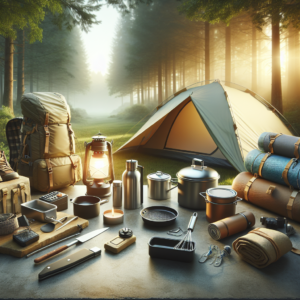
For beginners, it’s important to prioritize essential camping gear. Focus on the basics: a tent, sleeping bag, and sleeping pad. Look for sales, discounts, and second-hand options to save money. Thrift stores, online marketplaces, and outdoor gear swaps are excellent places to find affordable equipment.
Invest in Multi-Purpose Items
Opt for multi-purpose gear to maximize your investment. For example, a headlamp with adjustable brightness can serve as a flashlight, lantern, and reading light. A versatile camping stove can be used for cooking, boiling water, and more. Multi-functional items reduce the need for additional equipment, saving both money and space.
Cook Your Own Meals
Plan Simple and Nutritious Meals
Cooking your own meals while camping is one of the most effective ways to save money. Plan a menu of simple and nutritious meals that require minimal ingredients and preparation. Consider foods like pasta, rice, canned beans, and fresh fruits and vegetables. These items are affordable, easy to prepare, and require little refrigeration.
Use Portable Cooking Equipment
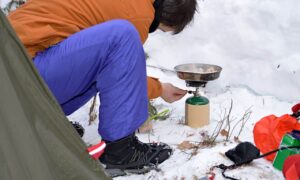
Invest in a portable camping stove or a simple campfire grill to cook your meals. These tools are inexpensive and easy to use. Bring reusable plates, cups, and utensils to avoid disposable waste and save money in the long run.
Embrace DIY Solutions
Create Your Own Camping Gear
Get creative and make some of your camping essentials. For example, you can sew your own reusable cloth napkins, or create a DIY mosquito repellent using natural ingredients. Many online resources offer tutorials for making camping gear from household items.
Repurpose Household Items
Repurposing items you already own can save money and reduce waste. Use old towels as dishcloths, or repurpose a large plastic container as a makeshift washbasin. A sturdy tarp can serve as a groundsheet, shelter, or picnic blanket. This resourcefulness minimizes the need for additional purchases and keeps your camping experience budget-friendly.
Take Advantage of Free Activities
Enjoy Nature Hikes
One of the greatest joys of camping is exploring the natural surroundings. Hiking is an excellent free activity that allows you to appreciate the beauty of the outdoors, get some exercise, and discover new trails. Research hiking trails near your campsite and choose ones that suit your fitness level and interests.
Participate in Park Programs
Many national and state parks offer free or low-cost programs and activities, such as guided nature walks, wildlife talks, and astronomy nights. Participating in these programs can enrich your camping experience and provide valuable insights into the local ecosystem.
Be Environmentally Conscious
Practice Leave No Trace Principles
Being environmentally conscious not only protects the natural beauty of camping areas but also helps you save money. Practice Leave No Trace principles by packing out all your trash, minimizing campfire impact, and respecting wildlife. This responsible behavior ensures that camping sites remain clean and accessible for future campers.
Use Reusable Containers
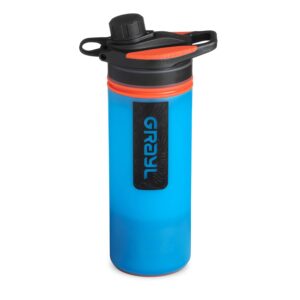
Reduce waste and save money by using reusable containers for food storage and water. Invest in a durable water bottle and reusable food containers. This practice not only minimizes single-use plastics but also saves you money on disposable alternatives.
Conclusion
Camping on a budget is entirely achievable with thoughtful planning, resourcefulness, and a willingness to embrace simplicity. By choosing the right location, borrowing or renting gear, shopping smart, cooking your own meals, embracing DIY solutions, and taking advantage of free activities, you can enjoy a memorable and affordable camping experience as a beginner. Remember, the key to successful budget camping is to focus on the experience rather than the gear. With these tips in mind, you can embark on your outdoor adventure with confidence and excitement.


Post Comment