Master Water Purification: Essential Camping Guide

Embarking on a camping adventure offers a wonderful opportunity to reconnect with nature. However, one of the most crucial skills for any camper is the ability to purify water. Safe drinking water is essential to ensure a healthy and enjoyable experience in the wild. This guide will equip you with the knowledge to master water purification techniques, helping you stay hydrated and safe during your outdoor excursions.
Understanding the Importance of Water Purification
When camping, the allure of a clear mountain stream or a tranquil lake can be misleading. Despite appearances, natural water sources can harbor a variety of pathogens, including bacteria, viruses, and parasites, as well as chemical contaminants. Consuming contaminated water can lead to various illnesses, such as giardiasis and cryptosporidiosis, which can severely impact your health.
Common Contaminants Found in Natural Water Sources
Before diving into purification methods, it’s essential to understand the potential threats present in untreated water:
- Bacteria: Such as E. coli and Salmonella, which can cause gastrointestinal issues.
- Viruses: Including Norovirus and Hepatitis A, typically found in water contaminated by human waste.
- Parasites: Like Giardia and Cryptosporidium, leading to prolonged digestive problems.
- Chemical Pollutants: Such as pesticides and heavy metals, often resulting from agricultural runoff.
Water Purification Methods
To ensure safe drinking water, campers can choose from several effective purification methods. Each technique has its advantages and limitations, so selecting the appropriate one depends on your specific camping environment and resources available.
Boiling
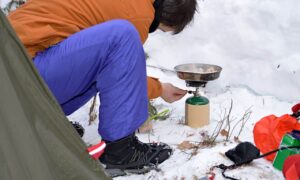
Boiling is one of the simplest and most reliable methods of purifying water. By heating water to a rolling boil for at least one minute (or three minutes at altitudes above 6,500 feet), you can effectively kill bacteria, viruses, and parasites. While boiling does not remove chemical contaminants, it remains an excellent option for biological threats.
Filtration
Water filters are a popular choice for campers due to their portability and ease of use. Filters come in various forms, including pump filters, gravity filters, and straw filters, each designed to remove sediment, bacteria, and protozoa. However, most filters do not remove viruses, so combining filtration with another method, such as chemical treatment, is advisable.
Chemical Treatment
Chemical treatment involves adding purification tablets or drops to water, which release chlorine or iodine to kill pathogens. This method is lightweight and convenient, making it an excellent backup option. While effective against bacteria and viruses, chemical treatment may not eliminate all parasites and can impart an unpleasant taste to the water.
Ultraviolet (UV) Light
UV purifiers use ultraviolet light to destroy the DNA of microorganisms, rendering them harmless. These devices are compact and efficient, treating water in a matter of seconds. However, UV purifiers require batteries and do not remove particulates or chemical pollutants, so pre-filtering may be necessary.
Choosing the Right Water Purification Method
When selecting a purification method, consider the following factors:
- Environment: Assess the water sources available and the likelihood of chemical contamination.
- Duration: For extended trips, portable and lightweight options like chemical treatment or UV purifiers may be preferable.
- Group Size: Larger groups may benefit from gravity filters or high-capacity pump filters.
- Weather Conditions: In cold environments, boiling and chemical treatments may be more challenging.
Practical Tips for Water Purification in the Wild
To maximize the effectiveness of your chosen purification method, keep these practical tips in mind:
Plan Ahead
Research your camping area to identify potential water sources and the contaminants you may encounter. This knowledge will help you select the most suitable purification method and pack the necessary equipment.
Pre-Filter When Necessary
If water is cloudy or contains large particulates, pre-filter it using a cloth, bandana, or coffee filter before applying your chosen purification method. This step enhances the efficiency of filtration and chemical treatments.
Test Your Equipment
Before heading out, test your water purification equipment to ensure it’s in working order. Familiarize yourself with the operation of filters, UV purifiers, and chemical treatments to avoid confusion in the field.
Maintain Cleanliness
Keep your hands and purification equipment clean to prevent cross-contamination. Use separate containers for untreated and treated water, and avoid touching the inside of water containers or the mouthpieces of filters.
Conclusion
Mastering water purification is a crucial skill for any camper, ensuring safe and enjoyable outdoor adventures. By understanding the threats posed by contaminants and selecting the appropriate purification method, you can protect yourself and your fellow campers from waterborne illnesses. Remember to plan ahead, test your equipment, and maintain cleanliness to maximize the effectiveness of your chosen method. With these essential tips, you’ll be well-prepared to tackle any water purification challenges you may encounter in the wild.
Remember, the key to a successful camping trip is preparation and knowledge. By mastering water purification, you’re taking a significant step towards ensuring a safe, enjoyable, and memorable outdoor experience. Happy camping!
#ChatGPT assisted in the creation of this article.

Post Comment