Mastering Essential Survival Food Skills for Outdoor Adventures

Embarking on an outdoor adventure is an exhilarating experience, offering a chance to reconnect with nature and challenge oneself physically and mentally. However, the thrill of the wilderness can quickly turn into a struggle for survival if you’re not equipped with the right skills, particularly when it comes to securing food. Understanding essential survival food skills is crucial for anyone planning to venture into the wild, whether on a hiking trip, camping expedition, or a more extended wilderness survival experience.
Understanding the Basics of Survival Nutrition
Before diving into specific skills, it’s important to understand the basics of survival nutrition. Your body needs a balance of carbohydrates, proteins, and fats to function effectively, especially when you’re exerting more energy than usual. Carbohydrates provide quick energy, proteins are essential for muscle repair and growth, and fats offer long-lasting energy. In a survival situation, your focus should be on obtaining a balance of these nutrients to maintain energy levels and overall health.
Foraging for Wild Edibles
Identifying Edible Plants
Foraging is one of the most accessible ways to secure food in the wild. However, it requires knowledge and caution, as many plants are toxic. Familiarize yourself with local flora before setting out on your adventure. Books, mobile apps, and online resources can help you identify edible plants. Key plants to look for include dandelions, wild garlic, and cattails, which are commonly found and relatively easy to identify.
Testing for Edibility
Even with knowledge, there may be times when you’re unsure if a plant is safe to consume. The Universal Edibility Test is a systematic method to test unknown plants for edibility. It involves separating the plant into parts (leaves, stems, roots, etc.) and testing each part separately by tasting a small portion and waiting for adverse reactions. Patience is crucial, as this test can take several hours.
Trapping and Hunting
Setting Traps and Snares
Securing protein in the wilderness often involves trapping or hunting. Knowing how to set basic traps and snares can significantly increase your chances of catching small game. Common traps include the figure-four deadfall and the simple snare, both of which can be constructed with minimal tools and materials found in nature. Always ensure that trapping is legal in the area you are exploring and that you follow ethical hunting practices.
Basic Hunting Skills
While trapping is passive, hunting requires more active involvement. Basic hunting skills include understanding animal behavior and habitats, tracking, and using minimal equipment like slingshots or bows. Practice these skills before heading into the wilderness to increase your chances of success. Remember, hunting requires patience, stealth, and respect for wildlife.
Fishing Techniques
Improvised Fishing Tools
Fishing can provide a reliable source of protein if you’re near water. Learning to improvise fishing tools like hooks, lines, and nets from natural materials can be invaluable. Hooks can be fashioned from thorns or small bones, while lines can be made from plant fibers or paracord. Understanding the behavior of fish and the best times to fish will further enhance your success.
Building a Fish Trap
Fish traps are an effective way to catch fish passively. Constructing a basic trap involves weaving sticks or branches into a basket shape with an entrance that allows fish to enter but makes it difficult for them to escape. Place the trap in a stream or river with a strong current to guide fish into the trap.
Preservation and Storage
Drying and Smoking
Once you’ve acquired food, preserving it is essential for long-term survival. Drying and smoking are two effective methods for preserving meat and fish. Drying involves removing moisture from food by exposing it to air and sun, while smoking uses low heat and smoke to preserve and add flavor. These methods prevent spoilage and allow you to build a reserve of provisions for future needs.
Storage Techniques
Proper storage is crucial to keep food safe from spoilage and scavenging animals. Create makeshift containers from natural materials like bark or large leaves, and store food in a cool, dry place. Elevating food storage off the ground can prevent animals from accessing your provisions.
Cooking in the Wild
Building a Safe Fire
Cooking in the wilderness starts with building a safe and efficient fire. Practice the skills of gathering tinder, kindling, and fuel, and learn various fire-starting techniques, such as using a flint and steel or a bow drill. Always consider the safety implications of building a fire, including the risk of wildfires and the need to follow local regulations.
Improvised Cooking Methods
In a survival situation, you may not have access to traditional cooking utensils. Improvise with what you have, using flat stones as grills, skewers for roasting, or hollowed-out logs as makeshift ovens. Understanding how to cook with minimal resources ensures that you can prepare nutritious and safe meals.
Water Procurement and Purification
Finding Water Sources
While not strictly a food skill, securing safe water is as crucial as finding food. Look for natural water sources like streams, rivers, or rainwater. In arid environments, observe animal tracks or follow bird flights at dawn and dusk to locate water.
Purification Techniques
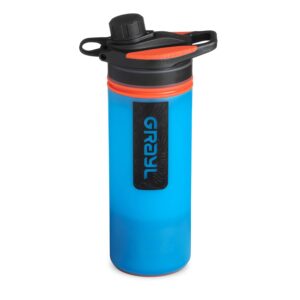
Always purify water to prevent illness. Boiling is the most effective method, but if resources are limited, use portable filters, purification tablets, or make a solar still. Understanding multiple purification methods ensures you have safe drinking water, which is vital for digestion and overall health.
Planning and Preparation
Pre-Trip Planning
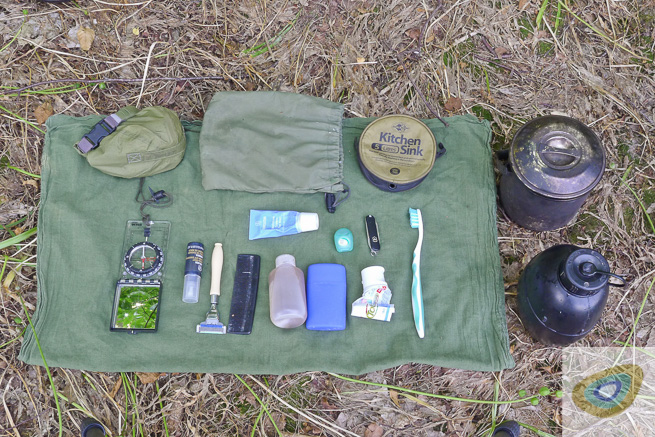
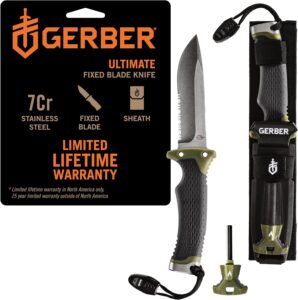
Effective survival starts with thorough planning and preparation. Research the area you plan to explore to understand the available resources and potential challenges. Pack essential tools, such as a multi-tool, fishing line, and a reliable fire starter, to aid in your survival efforts.
Practicing Skills
Survival skills improve with practice. Regularly engage in activities like foraging, trapping, and fire-building in a controlled environment to hone your skills. This preparation will give you confidence and competence in a real survival situation.
Conclusion
Mastering essential survival food skills is a critical aspect of preparing for outdoor adventures. By understanding and practicing these skills, you can enhance your chances of thriving in the wilderness. Remember that survival is not just about securing food, but also respecting and living in harmony with nature. Preparation, knowledge, and adaptability are your greatest allies in any survival situation.
#ChatGPT assisted in the creation of this article.



Post Comment