Top Must-Have Camping Gear for Hikers

Hiking is a gateway to the great outdoors, offering a sense of freedom and adventure that few other activities can match. However, to ensure a safe and enjoyable experience, having the right camping gear is essential. This article delves into the top must-have camping gear for hikers, whether you’re a seasoned trekker or a novice embarking on your first adventure.
Backpack
The backpack is the cornerstone of any hiker’s gear. It needs to be comfortable, durable, and spacious enough to carry all your essentials. When selecting a backpack, consider the duration of your hikes. For day hikes, a 20-30 liter pack should suffice, while multi-day hikes may require a pack with a 50-70 liter capacity. Look for features like adjustable straps, multiple compartments, and a hydration reservoir.
Tent
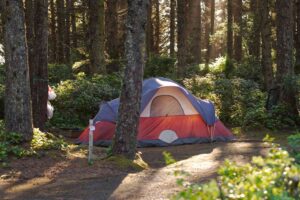
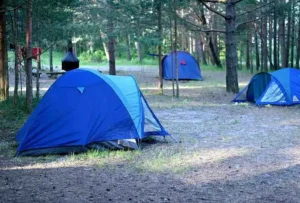
A reliable tent provides shelter and protection from the elements. When choosing a tent, consider its weight, size, and ease of setup. Ultralight tents are ideal for long-distance hikes to minimize carrying weight, while a more robust tent may be suitable for car camping. Look for a tent with a waterproof fly and a durable floor to keep you dry in rainy conditions.
Sleeping Bag
Sleeping bags are essential for a good night’s rest in the wilderness. Choose a sleeping bag rated for the coldest temperatures you expect to encounter. Down sleeping bags are lightweight and compressible, making them ideal for backpacking, while synthetic bags are typically more affordable and perform better in wet conditions. Remember to consider the bag’s weight and packability.
Sleeping Pad
To ensure a comfortable sleep, a sleeping pad is necessary. It provides insulation from the cold ground and adds a layer of cushioning. There are three main types: closed-cell foam pads, self-inflating pads, and air pads. Closed-cell foam pads are lightweight and durable, while air pads offer superior comfort and packability. Self-inflating pads strike a balance between comfort and ease of use.
Cooking Equipment
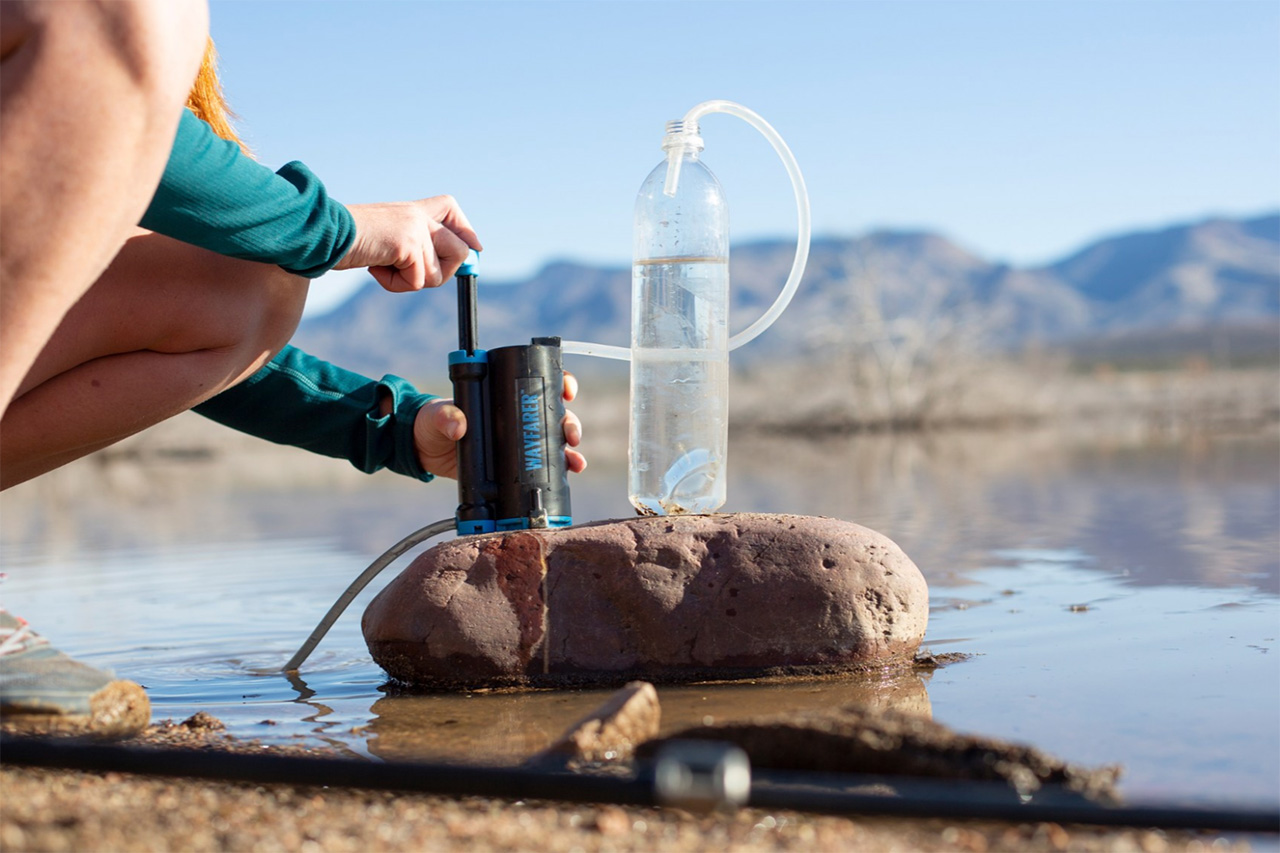
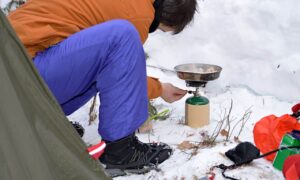
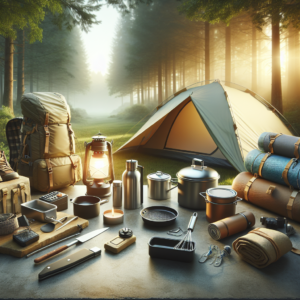
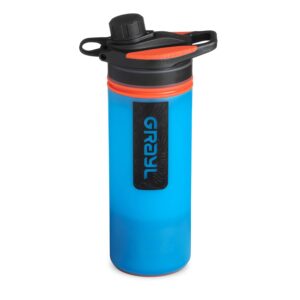
Having the right cooking equipment can greatly enhance your camping experience. A compact stove is essential for preparing hot meals and boiling water. Consider a lightweight backpacking stove and fuel canisters for portability. Additionally, invest in a durable, lightweight cooking set that includes pots, pans, and utensils. A portable water filter or purification tablets are also crucial for safe drinking water.
Clothing
Dressing appropriately for the weather and terrain is critical for comfort and safety. Opt for moisture-wicking, quick-drying fabrics to keep you dry and comfortable. Layering is key: start with a base layer, add an insulating layer for warmth, and finish with a waterproof, breathable outer layer to protect against wind and rain. Don’t forget a hat, gloves, and extra socks.
Footwear
Proper footwear is vital for any hiking trip. Choose hiking boots or shoes that provide support, stability, and traction. Ensure they are well-fitted to prevent blisters and discomfort. Consider the terrain and weather conditions when selecting footwear, opting for waterproof boots in wet environments or breathable shoes in hot climates.
Navigation Tools
Regardless of the trail’s familiarity, always carry navigation tools. A map and compass are essential for traditional navigation, while a GPS device or smartphone app can offer digital assistance. Ensure you know how to use these tools before venturing out, and always have a backup in case of technology failure.
First Aid Kit
A well-stocked first aid kit is crucial for handling minor injuries and emergencies. Include bandages, antiseptic wipes, pain relievers, and any personal medications. Customize your kit based on the length and location of your hike, and ensure it’s easily accessible in your pack.
Lighting
Even if you plan to return before nightfall, carrying a reliable light source is essential. A headlamp is ideal, allowing hands-free use and providing ample light for nighttime navigation. Ensure you have spare batteries or a rechargeable option to avoid being left in the dark.
Emergency Gear
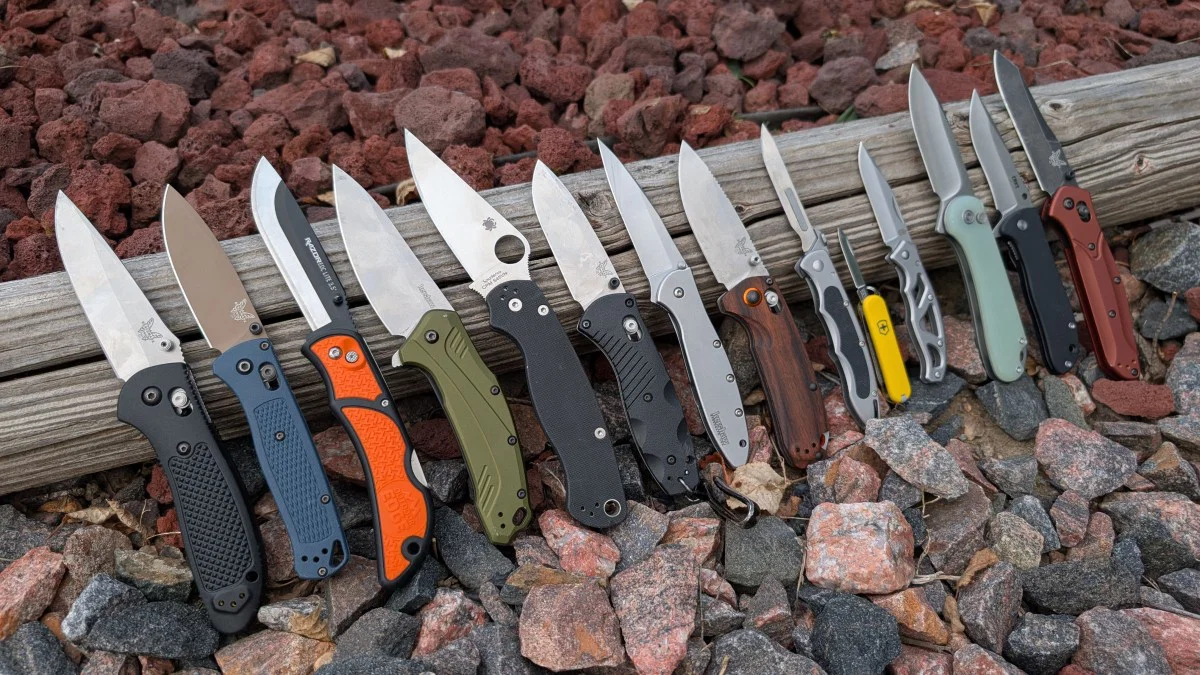
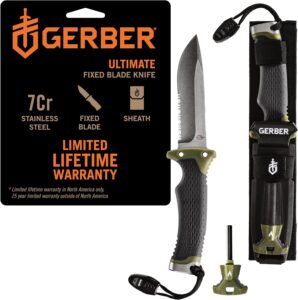
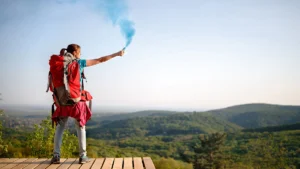
Being prepared for unexpected situations is crucial. A multi-tool or knife can be incredibly useful for various tasks, from meal preparation to gear repairs. Carry a whistle for signaling, and consider an emergency blanket or bivy sack for unexpected overnight stays. A small fire starter kit, including waterproof matches or a lighter, can be life-saving in cold conditions.
Food and Hydration
Proper nutrition and hydration are vital for maintaining energy levels on the trail. Pack lightweight, high-calorie snacks like energy bars, nuts, and dried fruits. Plan your meals to ensure they are easy to prepare and satisfying. A hydration system, such as a water bladder or bottles, is essential for staying hydrated. Always carry extra water and consider a filtration method for refilling on the go.
Sun Protection
Exposure to the sun’s rays can lead to sunburn and heat-related illnesses. Always carry sunscreen with a high SPF, lip balm with UV protection, and sunglasses to protect your eyes. A wide-brimmed hat or a cap with a neck flap can provide additional protection for your face and neck.
Conclusion
Embarking on a hiking adventure requires thorough preparation and the right gear. Each piece of equipment plays a crucial role in ensuring safety, comfort, and enjoyment on the trail. By investing in high-quality camping gear tailored to your specific needs and the environment you’ll be exploring, you can enhance your hiking experience and create lasting memories in the great outdoors. Remember, the wilderness is unpredictable, so always prioritize safety and preparedness.
#ChatGPT assisted in the creation of this article.

Post Comment