Essential Camping Gear Guide for Beginners

Embarking on your first camping trip can be both exciting and daunting. The promise of adventure and the allure of the great outdoors are enough to inspire anyone to pack up and head out. However, having the right gear is crucial to ensure a safe and enjoyable experience. This guide will walk you through the essential camping gear every beginner needs to make the most of their outdoor adventure.
Shelter: The Right Tent
Your tent is your home away from home, providing shelter from the elements. Choosing the right one is paramount.
Size and Capacity
When selecting a tent, consider how many people will be sleeping in it. Tents are often rated by the number of people they can fit, but it’s wise to choose a tent with a capacity one person larger than your group for added comfort and gear storage.
Seasonality
For beginners, a three-season tent is usually adequate. These tents are designed for spring, summer, and fall, offering ventilation for warm weather and protection from rain and wind.
Ease of Setup
Look for tents with color-coded poles and clips, which make setup straightforward. Practice pitching your tent at home to ensure you can assemble it quickly at your campsite.
Sleeping Gear: Comfort is Key
After a long day of hiking and exploring, a good night’s sleep is essential. Here’s what you need for a comfortable slumber under the stars.
Sleeping Bag
Choose a sleeping bag rated for the coldest temperature you expect to encounter. For most beginners camping in moderate climates, a three-season sleeping bag is ideal. Consider the shape too; mummy bags offer warmth while rectangular bags provide more space to move.
Sleeping Pad
A sleeping pad adds a layer of comfort and insulation between you and the ground. Options range from self-inflating pads to lightweight foam mats. Choose one that balances comfort with weight, especially if you plan to hike to your campsite.
Cooking Essentials: Fuel Your Adventure
Nourishment is a crucial part of any camping trip. Having the right gear ensures you can prepare meals that keep you energized for the day ahead.
Camping Stove
A portable camping stove is a must-have for cooking in the wild. Canister stoves are compact and easy to use, making them ideal for beginners. Remember to pack extra fuel and check regulations on open flames in your camping area.
Cookware
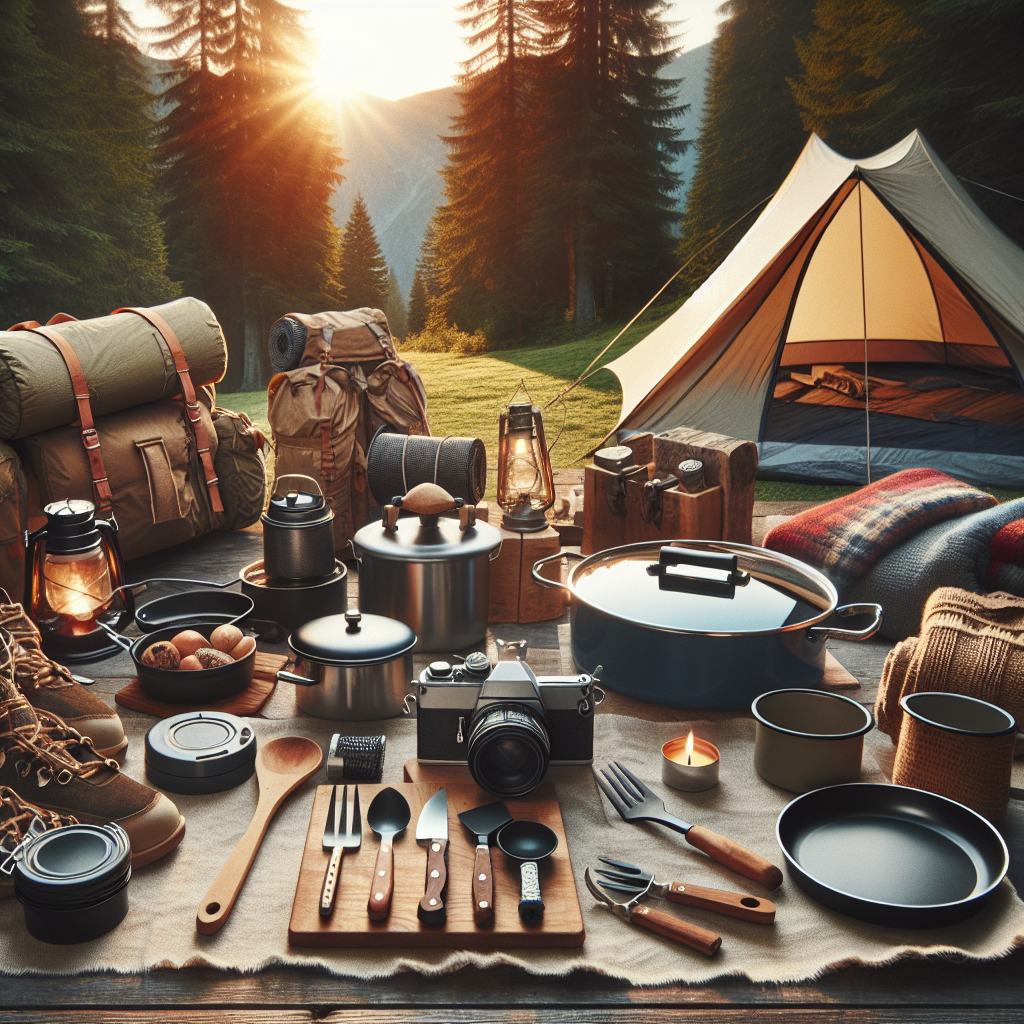
Invest in lightweight, durable cookware designed for camping. A pot, pan, and kettle are typically sufficient for most meals. Consider nesting sets that save space and come with lids and handles that double as utensils.
Food Storage and Utensils
Bring a cooler for perishable items and be mindful of wildlife when storing food. Use bear-proof containers if necessary. Pack utensils, including a spork, knife, and cutting board, for meal prep and dining.
Hydration: Staying Quenched
Proper hydration is crucial, especially when engaging in physical activities like hiking. Here’s how to keep your thirst quenched.
Water Bottles and Hydration Systems
Carry a reusable water bottle or a hydration reservoir to ensure you have access to water at all times. Hydration packs can be convenient for hands-free access while hiking.
Water Filtration
Even if your campsite has a water source, it’s wise to have a water filtration system. Options include filters, purifiers, and chemical treatments. Choose one based on the duration of your trip and water availability.
Clothing and Footwear: Dress for Success
Proper attire can make or break your camping experience. Dress in layers to adapt to changing weather conditions and consider these essentials.
Layering Basics
Start with a moisture-wicking base layer, add an insulating middle layer like a fleece, and top it off with a waterproof outer layer to shield against rain and wind.
Footwear
Sturdy, comfortable hiking boots are essential. Ensure they’re broken in to prevent blisters. Bring extra socks to keep your feet dry and comfortable.
Navigation and Safety: Stay on Track
Staying safe in the wilderness is a top priority. Proper navigation tools and safety gear are non-negotiable.
Map and Compass
Even if you have a GPS device, always carry a physical map and compass. Learn how to use them to navigate terrain effectively.
First Aid Kit
A well-stocked first aid kit is crucial. Include bandages, antiseptic wipes, pain relievers, and any personal medications. Familiarize yourself with basic first aid procedures.
Multi-tool and Repair Kits
A multi-tool can be invaluable for repairs and emergencies. Consider packing a small repair kit for your tent or gear, including duct tape and a needle and thread.
Lighting: Illuminate Your Night
Proper lighting is essential for navigating your campsite after dark and during nighttime excursions.
Headlamp
A headlamp is a hands-free solution for lighting up your path and campsite. Look for one with adjustable brightness and a red light mode to preserve night vision.
Lantern
Compact lanterns provide ambient light for your tent or communal area. Choose battery-operated or rechargeable options for convenience.
Miscellaneous Essentials: Don’t Forget the Extras
There are a few more items that, while not strictly necessary, can greatly enhance your camping experience.
Backpack
A comfortable, well-fitting backpack is vital for carrying your gear. Look for one with adjustable straps and multiple compartments for organization.
Camp Chairs
Folding camp chairs provide a comfortable place to relax around the campfire. Lightweight options are available for easy transport.
Insect Repellent and Sun Protection
Keep bugs at bay with insect repellent and protect your skin with sunscreen and a wide-brimmed hat.
Conclusion
With the right gear, your first camping trip can be a memorable adventure. Prioritize safety, comfort, and practicality when selecting your equipment, and tailor your choices to the specific environment and activities you plan to enjoy. Remember, the goal is to immerse yourself in nature while staying safe and comfortable. Happy camping!





Post Comment