Essential Camping Emergency Tips for Outdoor Survival

Camping can be a serene escape into nature, offering a break from the hustle of everyday life. However, nature can be unpredictable, and being prepared with the right emergency tips is critical to ensuring safety and survival. Whether you’re a seasoned outdoor enthusiast or a novice camper, understanding essential camping emergency tips can make a significant difference in a challenging situation. This article delves into crucial survival strategies to help you handle unexpected emergencies in the great outdoors.
Preparation: The Key to Survival
Before embarking on your camping adventure, thorough preparation is vital. A well-prepared camper is more likely to navigate emergencies successfully, minimizing the risks associated with unexpected situations. Here are essential preparatory steps:
Research Your Destination
Understanding the terrain, weather conditions, and potential hazards of your camping location is the first step in preparation. Research local wildlife, plant life, and any geographical challenges you might face. Familiarize yourself with maps of the area, including potential evacuation routes and nearest medical facilities.
Pack an Emergency Kit
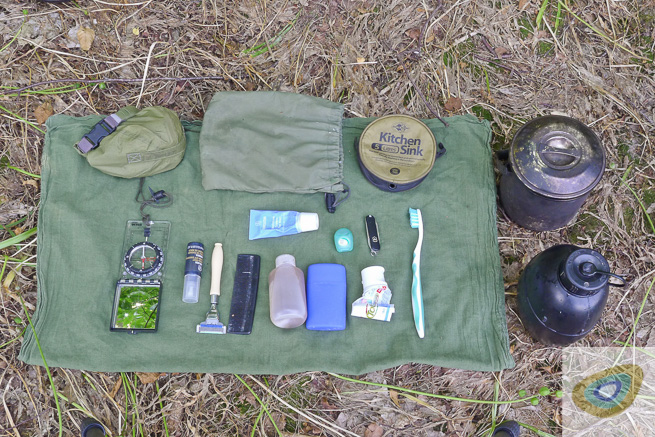
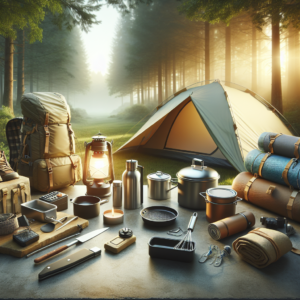
A well-stocked emergency kit is the cornerstone of camping safety. Include the following items:
- First aid supplies: bandages, antiseptic wipes, pain relievers, tweezers, and scissors.
- Navigation tools: a compass, map, and GPS device.
- Fire-starting tools: waterproof matches, a lighter, and fire starters.
- Light sources: a flashlight, headlamp, and extra batteries.
- Emergency shelter: a space blanket or lightweight tent.
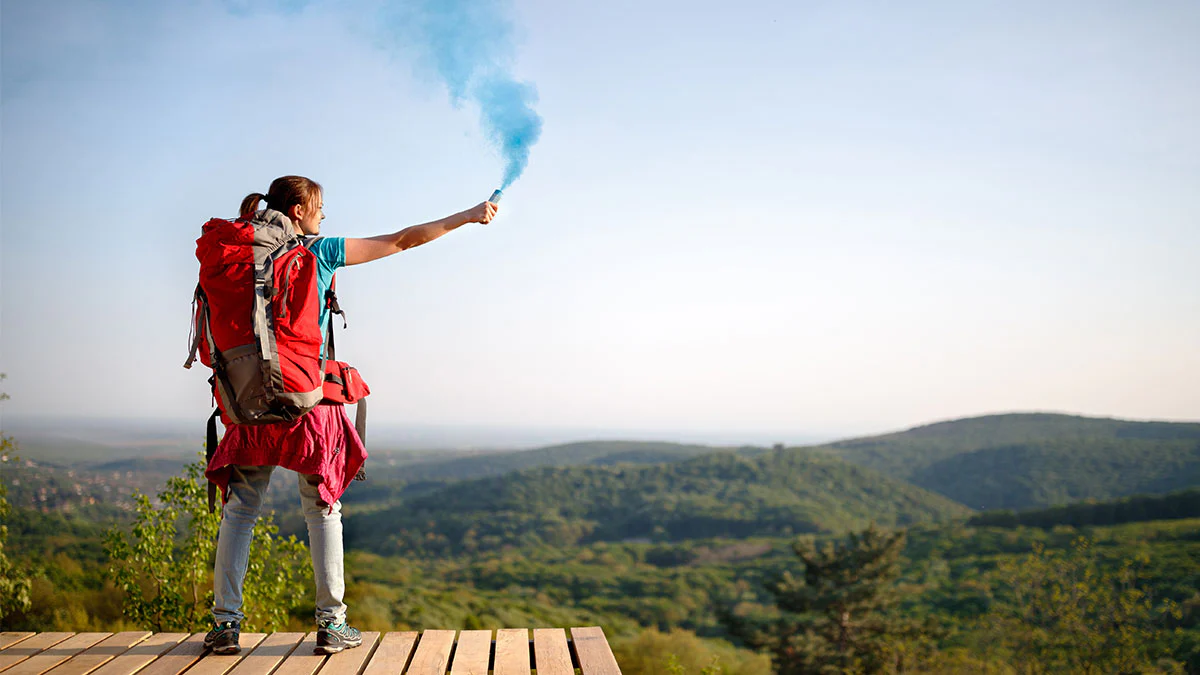
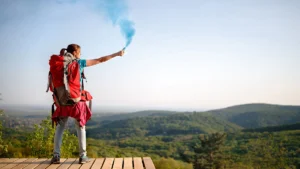
- Signaling devices: a whistle, mirror, and signal flare.
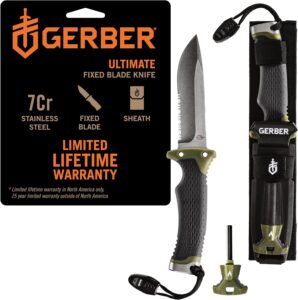
- Multi-tool: a versatile tool for various needs.
- Water purification tablets or a portable water filter.
Inform Someone of Your Plans
Always inform a friend or family member of your camping itinerary, including your expected return time. This information is crucial in case you encounter difficulties and need assistance.
Navigating Common Emergencies
When faced with a camping emergency, quick thinking and calm decision-making are essential. Here are strategies for handling common outdoor emergencies:
Getting Lost
It’s easy to lose your way in unfamiliar terrain. If you find yourself lost, follow these steps:
- Stay calm and avoid making rash decisions.
- Use your map and compass to reorient yourself.
- If you have a GPS device, check your coordinates against your map.
- Find a high vantage point to look for landmarks.
- If all else fails, stay put and signal for help using your whistle or mirror.
Encountering Dangerous Wildlife
Wildlife encounters can be thrilling but potentially dangerous. Prevention is key:
- Store food securely to avoid attracting animals.
- Make noise while hiking to alert animals of your presence.
- Understand the behavior of local wildlife and know how to respond to encounters.
- In the event of an aggressive animal, back away slowly and avoid direct eye contact.
Adverse Weather Conditions
Weather can change rapidly in the wilderness. Be prepared to adapt:
- Regularly check weather forecasts before and during your trip.
- Pack appropriate clothing for varying weather conditions, including rain gear and thermal layers.
- If a storm hits, seek shelter immediately and avoid exposed areas.
- Stay informed about potential natural disasters in your area, such as wildfires or floods.
First Aid in the Wilderness
Injuries can occur at any time, and knowing basic first aid is crucial in an emergency:
Treating Cuts and Scrapes
Clean wounds with antiseptic wipes to prevent infection. Cover with a sterile bandage and monitor for signs of infection, such as redness or swelling.
Handling Sprains and Strains
Rest the injured limb and apply a cold compress to reduce swelling. Elevate the limb and wrap it with a bandage for support. Avoid putting weight on the injured area.
Dealing with Hypothermia
Hypothermia is a serious condition that can occur in cold, wet environments. Symptoms include shivering, confusion, and lethargy. To treat hypothermia:
- Move the person to a warm, dry area.
- Remove wet clothing and replace it with dry, warm layers.
- Provide warm fluids and high-energy foods.
- Use a space blanket or sleeping bag to retain body heat.
Signaling for Help
If you find yourself in a dire situation and need assistance, knowing how to signal for help is vital:
Visual Signals
Use a signal mirror or reflective surface to catch the attention of rescuers or aircraft. Smoke from a fire can also serve as a visual signal during the day.
Auditory Signals
Blow a whistle in sets of three, the internationally recognized distress signal. The sound carries further than shouting and is more likely to be heard by rescuers.
Technological Signals
Carry a personal locator beacon (PLB) or satellite messenger. These devices can send your location and a distress signal to emergency services, even in remote areas without cell service.
Fire Safety and Survival
Fire is a critical survival tool for warmth, cooking, and signaling. However, it requires careful handling to prevent wildfires:
Building a Safe Campfire
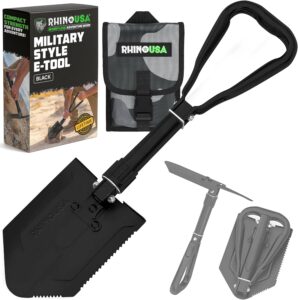
Choose a safe location for your campfire, away from overhanging branches and dry vegetation. Use a fire ring or build a fire pit surrounded by rocks. Keep water and a shovel nearby to extinguish the fire completely before leaving.
Fire-Starting Techniques
Learning multiple fire-starting techniques is beneficial. Practice using waterproof matches, lighters, and fire starters. In wet conditions, birch bark and dry pine needles make excellent tinder.
Conclusion
Camping in the great outdoors can be a rewarding experience, but it’s essential to be prepared for emergencies. By researching your destination, packing a comprehensive emergency kit, and learning vital survival skills, you can enhance your safety and confidence in handling unexpected situations. Remember, the key to successful outdoor survival is preparation, awareness, and a calm, methodical approach to challenges. Equip yourself with the knowledge and tools needed to enjoy nature safely, and you’ll be well-prepared to handle any emergency that comes your way.
#ChatGPT assisted in the creation of this article.




Post Comment