Ultimate Car Camping Guide for Beginners
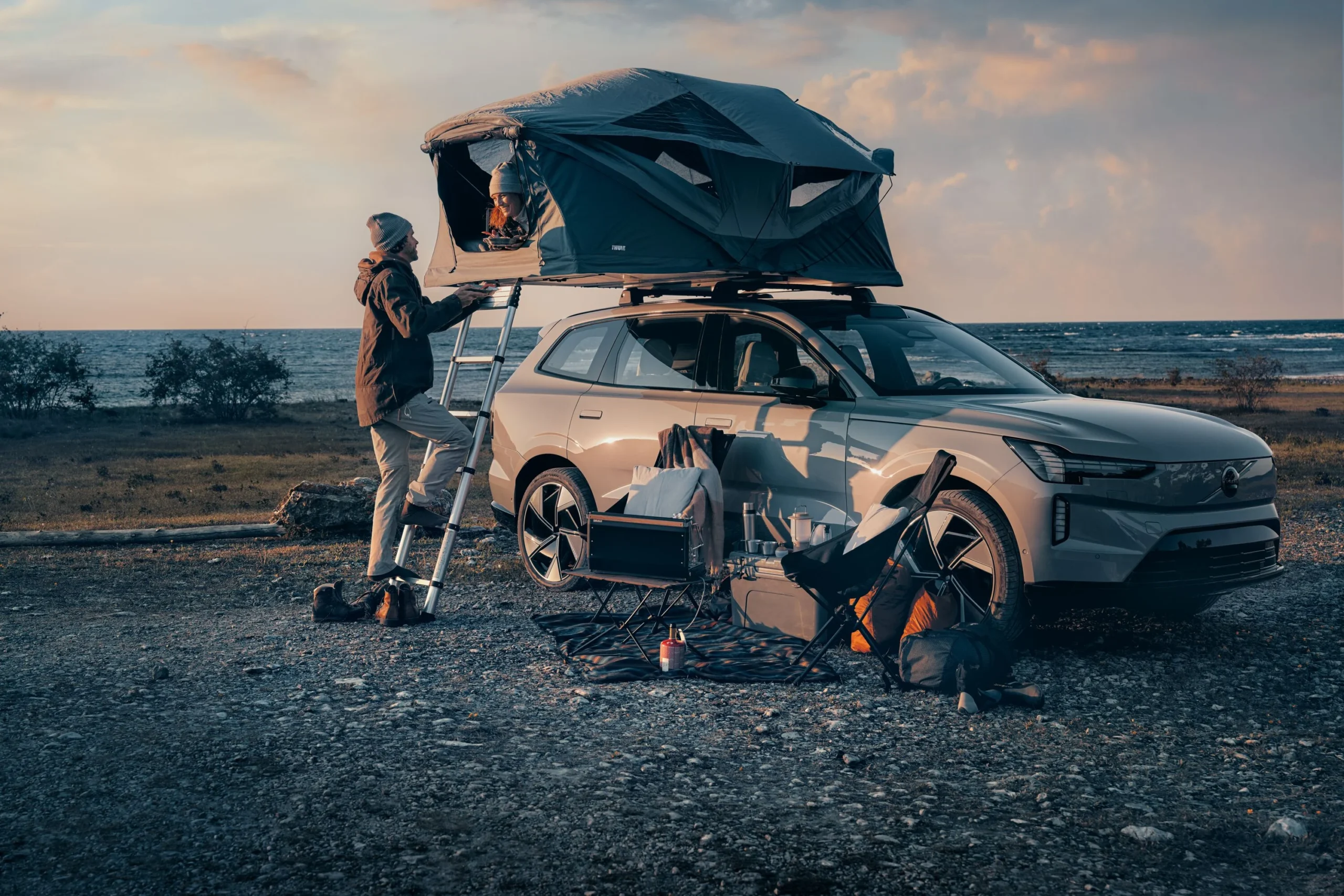
Car camping is a fantastic way to experience the great outdoors without sacrificing the comforts of home. Unlike backpacking, where you carry everything on your back, car camping allows you to pack your vehicle with all the essentials and luxuries you might need. For beginners, car camping is an accessible, fun, and relatively easy way to start your outdoor adventures. This guide will walk you through everything you need to know to get started with car camping.
Choosing the Right Campsite
Picking a suitable campsite is crucial for a successful car camping experience. Consider the following factors:
- Location: Choose a campsite that’s within a comfortable driving distance from your home. This will make the trip more enjoyable, especially if you’re new to camping.
- Amenities: Look for campsites that offer amenities like restrooms, showers, picnic tables, and fire pits. These can make your first camping experience more comfortable.
- Reservations: Popular campsites often require reservations, especially during peak seasons. Check the campsite’s website or contact them directly to secure your spot.
- Environment: Consider the type of environment you want to camp in, whether it’s a forest, desert, or near a lake. Each offers a unique experience.
Essential Gear and Equipment
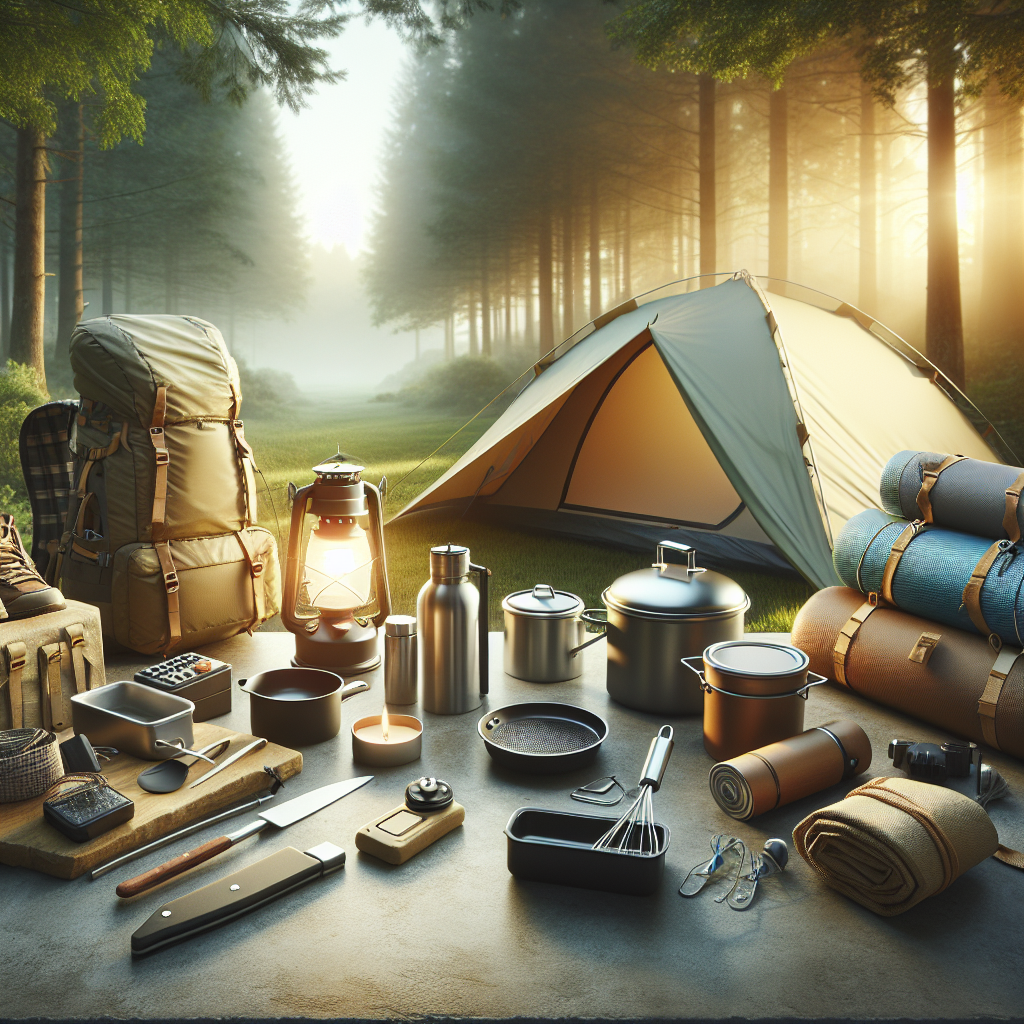
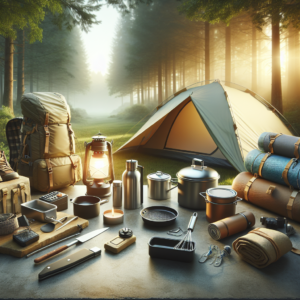
Car camping allows you to bring more gear than backpacking, but it’s still important to pack wisely. Here’s a list of essential items to bring:
Shelter and Sleeping
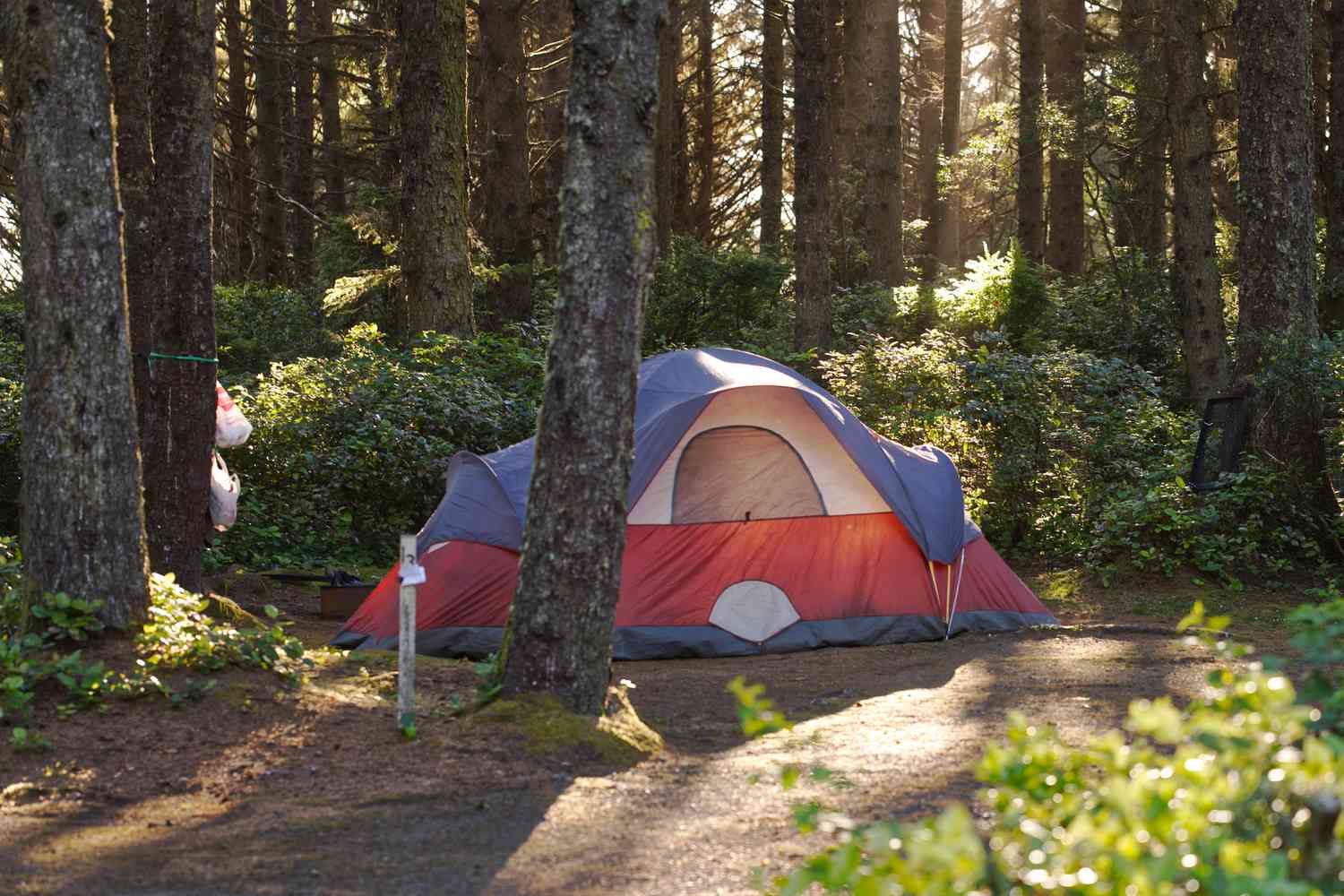
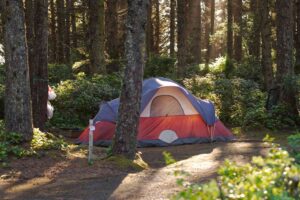
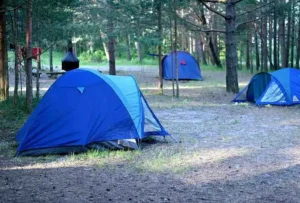
- Tent: Choose a tent that suits the number of people and offers good ventilation. Make sure it’s easy to set up and waterproof.
- Sleeping Bags: Opt for sleeping bags rated for the temperatures you expect to encounter.
- Sleeping Pads or Air Mattresses: These provide insulation and comfort from the ground.
- Pillows: Bring pillows from home or camping-specific ones for added comfort.
Cooking and Meals
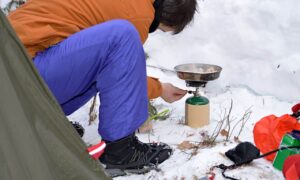
- Portable Stove: A compact propane stove is ideal for cooking meals.
- Cookware: Bring pots, pans, utensils, and a cutting board.
- Cooler: A good cooler will keep your food and drinks cold.
- Food: Plan simple meals and pack non-perishable snacks.
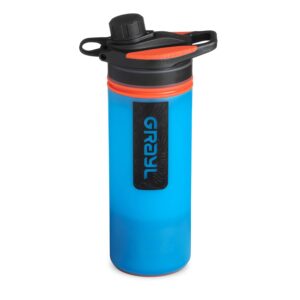
- Water Containers: Ensure you have enough water for drinking, cooking, and cleaning.
Comfort and Safety
- Camp Chairs: Comfortable seating is a must for relaxing around the campfire.
- First Aid Kit: Be prepared for minor injuries with a basic first aid kit.
- Lighting: Bring flashlights, lanterns, or headlamps for navigating in the dark.
- Clothing: Pack layers to accommodate changing weather conditions.
- Insect Repellent and Sunscreen: Protect yourself from bugs and sunburn.
Planning Your Meals
One of the joys of camping is cooking and eating outdoors. Here are some tips for planning your meals:
- Simple Recipes: Choose easy-to-prepare recipes that require minimal ingredients and cooking time.
- Pre-Prep at Home: Chop vegetables and marinate meats at home to save time at the campsite.
- Breakfasts: Consider oatmeal, pancakes, or scrambled eggs for a hearty start to your day.
- Lunches: Sandwiches, wraps, or salads are quick and easy.
- Dinners: Grilled meats, pasta, or foil packet meals are delicious options.
- Snacks: Pack trail mix, fruit, and granola bars for energy between meals.
Setting Up Camp
Setting up your campsite efficiently will ensure you have more time to relax and enjoy. Follow these steps for a smooth setup:
- Arrive Early: Aim to reach your campsite with plenty of daylight left to set up your tent and organize your gear.
- Choose a Flat Spot: Find a level area to pitch your tent, preferably with some shade and away from hazards like low-hanging branches.
- Set Up Shelter First: Pitch your tent before doing anything else, so you have a place to store your gear and sleep.
- Organize Your Camp: Keep your cooking area, sleeping area, and vehicle organized for easy access to essentials.
Leave No Trace Principles
Respecting nature and minimizing your impact is crucial when camping. Follow these Leave No Trace principles:
- Plan Ahead: Know the rules and regulations of the area you’re visiting.
- Travel and Camp on Durable Surfaces: Stick to established trails and campsites.
- Dispose of Waste Properly: Pack out all trash and leftover food.
- Leave What You Find: Preserve the natural environment by leaving rocks, plants, and artifacts as you found them.
- Minimize Campfire Impact: Use a camp stove for cooking and follow fire regulations if building a fire.
- Respect Wildlife: Observe animals from a distance and never feed them.
- Be Considerate of Other Visitors: Keep noise levels down and respect other campers’ privacy.
Entertainment and Activities
Car camping offers a chance to enjoy various activities. Here are some ideas to enhance your trip:
- Hiking: Explore nearby trails for a dose of adventure and exercise.
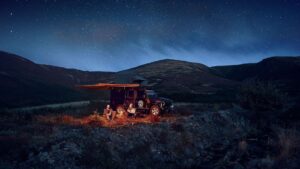
- Stargazing: On clear nights, enjoy the beauty of the night sky.
- Games: Bring along cards, board games, or sports equipment for fun with family and friends.
- Photography: Capture the natural beauty around you with a camera or smartphone.
- Reading: Relax with a good book or listen to audiobooks while lounging in your camp chair.
Tips for a Successful First Trip
To ensure your first car camping trip goes smoothly, consider these additional tips:
- Check the Weather: Stay informed about the weather forecast and pack accordingly.
- Test Your Gear: Set up your tent and try out your stove at home to familiarize yourself with the equipment.
- Pack Smart: Make a checklist to ensure you don’t forget any essentials.
- Be Flexible: Be open to changing plans if the weather or other factors require it.
- Relax and Enjoy: Remember that the goal is to relax and have fun. Don’t stress about perfection.
Conclusion
Car camping is a wonderful way to connect with nature, unwind, and create lasting memories. With the right preparation and mindset, even beginners can have a fantastic experience. By choosing the right campsite, packing essential gear, planning delicious meals, and respecting the environment, you’ll be well on your way to becoming a car camping pro. So pack up your vehicle, hit the road, and embrace the adventure that awaits!
#ChatGPT assisted in the creation of this article.


Post Comment