Master Essential Camping Knots for Outdoor Survival
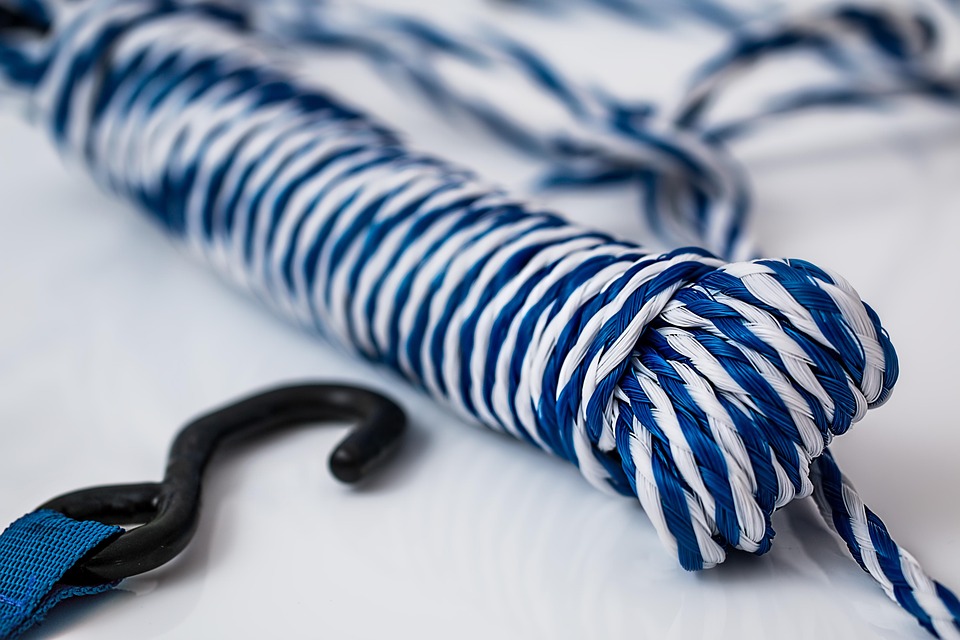
Camping is an exhilarating experience that brings you closer to nature. However, it also presents numerous challenges that require practical skills to overcome. One of the most valuable skills in camping and outdoor survival is knowing how to tie essential knots. These knots can help secure tents, bear bags, and other essential gear, ensuring safety and efficiency in the wild. This article will guide you through mastering essential camping knots crucial for outdoor survival.
The Importance of Knot Tying in Camping
Tying knots is more than just a useful skill; it is a life-saving technique. Whether you are securing your tent against strong winds, setting up a tarp for shelter, or hanging a bear bag to protect your food from wildlife, the right knot can make all the difference. Knowing which knot to use in various situations enhances safety and makes your camping experience more enjoyable and less stressful.
Essential Camping Knots
1. The Bowline Knot
The Bowline Knot is often referred to as the “king of knots” due to its versatility and ability to create a fixed loop at the end of a rope. This knot is invaluable for securing a rope to a fixed object or creating a loop that will not slip or tighten under tension. To tie a Bowline Knot:
- Create a small loop in the rope, leaving a long enough tail to work with.
- Pass the tail end of the rope through the loop from the underside.
- Wrap the tail around the standing part of the rope and back down through the loop.
- Tighten the knot by pulling on the standing part while holding the tail end in place.
The Bowline Knot is perfect for tying a rope to a tree for a tarp or securing a bear bag for hanging.
2. The Clove Hitch
The Clove Hitch is a simple and effective knot for temporarily securing a rope to a post, tree, or other objects. It is easy to adjust and untie, making it ideal for quick adjustments or temporary fixes. To tie a Clove Hitch:
- Pass the rope around the object.
- Cross the rope over itself and wrap it around the object again.
- Slide the working end under the last wrap and pull tight.
Use the Clove Hitch when setting up a clothesline or securing tent stakes.
3. The Taut-Line Hitch
The Taut-Line Hitch is an adjustable knot perfect for creating adjustable loops that can be tightened or loosened easily. It is especially useful for tent guy lines, allowing you to adjust the tension as needed. To tie a Taut-Line Hitch:
- Pass the rope around an anchor point.
- Wrap the working end around the standing part of the rope twice, moving toward the anchor point.
- Make an additional wrap around the standing part, but this time on the side away from the anchor point, creating a half hitch.
- Pull the knot tight and slide it along the standing part to adjust tension.
This knot is incredibly useful for adjusting the tension on tent lines or tarps.
4. The Square Knot
The Square Knot, also known as the Reef Knot, is often used for joining two ropes of equal thickness together. It is simple to tie and untie, making it ideal for non-critical applications like bundling items or tying a bandage. To tie a Square Knot:
- Hold an end of each rope in each hand.
- Cross the right end over and under the left end.
- Cross the left end over and under the right end.
- Pull both ends to tighten the knot.
Remember, the Square Knot is not suitable for bearing weight or critical applications, as it can slip under pressure.
5. The Sheet Bend
The Sheet Bend is an excellent knot for joining two ropes, even if they are of different thicknesses. It is more secure than the Square Knot and can be used in a variety of situations. To tie a Sheet Bend:
- Form a bight (a U-shaped bend) in the thicker rope.
- Pass the end of the thinner rope through the bight from the backside.
- Wrap the thinner rope around the entire bight and tuck it under itself.
- Pull both ends to tighten the knot.
The Sheet Bend is reliable and can be used in situations where ropes of different diameters need to be joined.
6. The Fisherman’s Knot
Also known as the Angler’s Knot, the Fisherman’s Knot is used to join two ropes of similar or different diameters. It is particularly popular in fishing but is also useful in camping scenarios. To tie a Fisherman’s Knot:
- Overlap the ends of two ropes.
- Tie an overhand knot with the working end of one rope around the standing part of the other.
- Repeat the process with the other rope’s end.
- Pull the standing parts of both ropes to slide the knots together.
This knot is secure and reliable, making it ideal for joining ropes when setting up shelters or securing gear.
Practical Applications of Knots in Camping
Understanding how to tie these knots is only half the battle; knowing when and where to use them is equally important. Here are some practical applications for these essential camping knots:
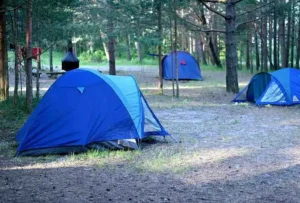
- Setting Up a Shelter: Use the Bowline Knot and Taut-Line Hitch to secure tarps or tents. The Bowline Knot can be used to create loops for tent stakes, while the Taut-Line Hitch allows you to adjust the tension on guy lines.
- Hanging a Bear Bag: Use a Bowline Knot to tie the rope to a tree and a Clove Hitch to secure it once the bag is hoisted to the desired height.
- Bundling Gear: Utilize the Square Knot to bundle firewood or other camping gear securely.
- Joining Ropes: Use the Sheet Bend or Fisherman’s Knot to join ropes when additional length is needed for securing items or creating makeshift clotheslines.
Practice Makes Perfect
Learning to tie knots takes practice and patience. It’s essential to practice these knots before heading into the wilderness. Use different types of ropes and practice under various conditions to ensure you’re prepared for any situation. Remember, a well-tied knot can be the difference between a secure campsite and a stressful experience.
Conclusion
Mastering essential camping knots is a fundamental skill for outdoor enthusiasts and survivalists. By understanding and practicing these knots, you can enhance your camping experience, ensuring safety, efficiency, and peace of mind. Whether you’re setting up a shelter, securing your gear, or joining ropes, these knots will serve you well in the great outdoors. So, grab some rope, get practicing, and be prepared for your next adventure!
#ChatGPT assisted in the creation of this article.



Post Comment