Mastering Map and Compass: Essential Navigation Skills
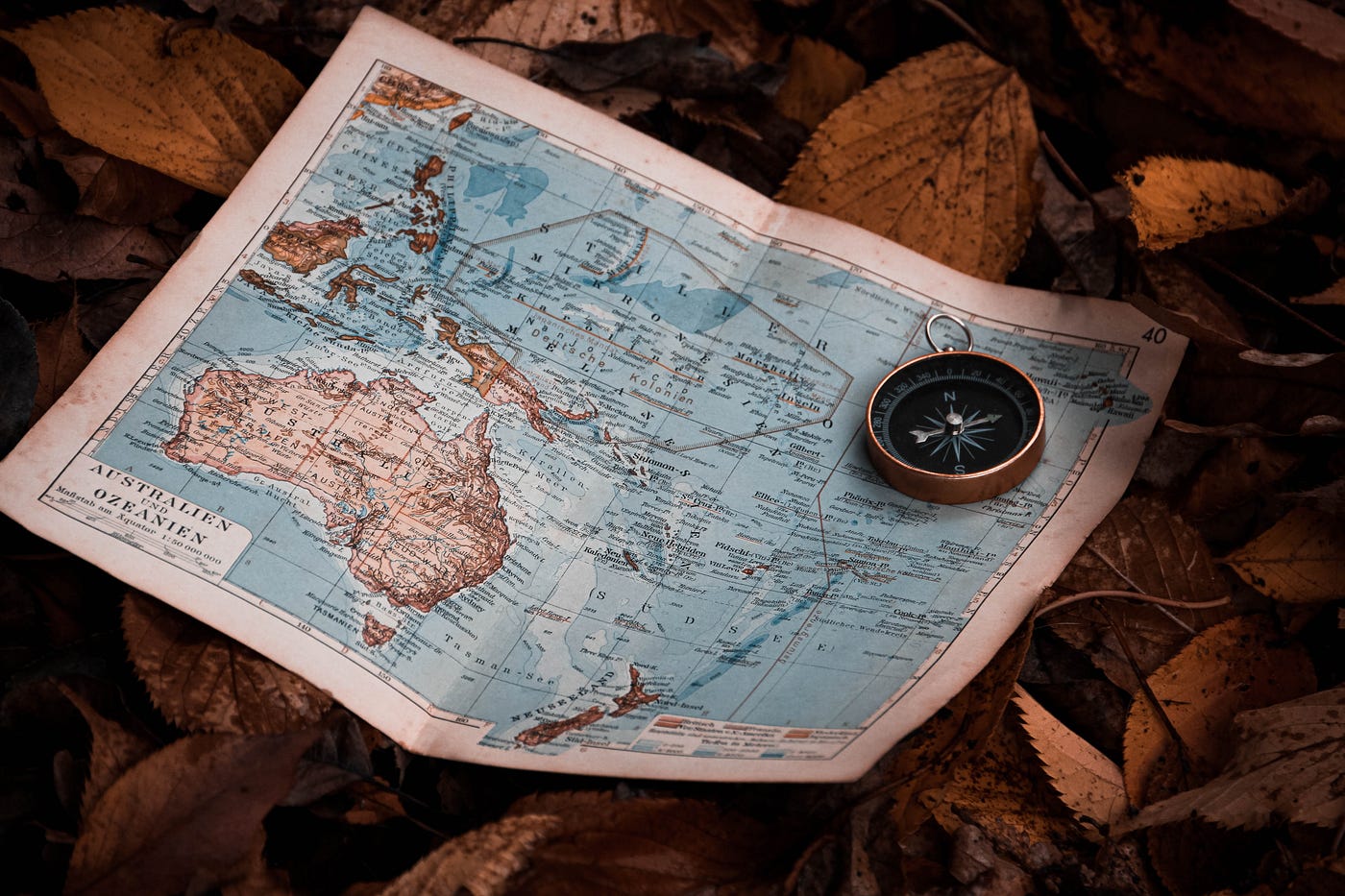
In an era dominated by digital technology, the art of navigation using a map and compass might seem antiquated. However, these tools remain indispensable for outdoor enthusiasts who venture into remote areas where GPS signals may be unreliable or nonexistent. Mastering map and compass skills not only enhances safety but also deepens your connection with the natural world. This comprehensive guide explores the essential navigation skills needed to confidently and accurately traverse diverse terrains.
The Basics of Map Reading
Before delving into the intricacies of compass use, it’s crucial to understand how to read a map. Maps are representations of the Earth’s surface and come in various types, including topographic, road, and thematic maps. For outdoor navigation, topographic maps are most useful as they depict the terrain’s contours and elevations, vital for understanding the landscape.
Understanding Map Symbols and Scales
Maps are rich with symbols that convey important information. Familiarize yourself with the legend, which explains these symbols. Key features often include water bodies, vegetation types, trails, and man-made structures. The scale of a map is equally important; it indicates the relationship between distances on the map and actual distances on the ground. A 1:24,000 scale, for example, means one inch on the map equals 24,000 inches in reality.
Contour Lines and Elevation
Contour lines are used to represent elevation on topographic maps. Each line connects points of equal elevation, and the spacing between lines indicates the steepness of the terrain. Closely spaced lines suggest steep slopes, while widely spaced lines indicate gentle slopes. Understanding contour lines is crucial for anticipating the terrain you will encounter.
The Compass: An Essential Tool
The compass is a simple yet powerful navigational tool. It consists of a magnetic needle that aligns with the Earth’s magnetic field, pointing towards magnetic north. Learning to use a compass in conjunction with a map can greatly enhance your ability to navigate in the wilderness.
Parts of a Compass
While compasses can vary in complexity, basic features include the baseplate, rotating bezel (or azimuth ring), magnetic needle, and orienting lines. The baseplate aids in map alignment, the bezel allows for bearing adjustments, and the orienting lines help align the compass with map grid lines.
Taking a Bearing
To take a bearing, hold the compass flat in your hand and point the direction of travel arrow towards your target. Rotate the bezel until the orienting lines align with the magnetic needle. The bearing is read from the index line, providing a direction relative to magnetic north. This skill is essential for maintaining your course across varied terrains.
Combining Map and Compass
Mastering navigation involves integrating map reading with compass use. This synergy enables you to pinpoint your location, plan routes, and adjust your path as needed.
Orienting the Map
To orient your map, place it on a flat surface and set your compass on top. Rotate the map and compass together until the map’s north aligns with the compass’s magnetic needle. This orientation allows you to relate map features directly to the terrain around you.
Using Landmarks and Features
Identify landmarks and features on the map and locate them in your surroundings. This visual confirmation ensures you’re on the right path and helps in identifying your position. Features such as rivers, ridgelines, and peaks are particularly useful for this purpose.
Triangulation
Triangulation is a valuable technique for determining your precise location. Identify two or more landmarks visible in your surroundings and on the map. Take bearings to each landmark using your compass, and draw lines along these bearings on the map. Your location is where these lines intersect.
Advanced Navigation Techniques
As you become more proficient in map and compass skills, you can explore advanced techniques that enhance your navigation abilities in challenging environments.
Re-sections and Back Bearings
In situations where your location is unknown, re-sectioning can help. Take bearings to identifiable landmarks and draw lines on your map as in triangulation. A back bearing, the reverse of a forward bearing, can also confirm your position by checking your direction of travel relative to a known point.
Dead Reckoning
Dead reckoning involves estimating your current position based on a previously determined location, using known distances and bearings. This method requires constant attention to time, speed, and direction, making it suitable for experienced navigators.
Pacing and Timing
Measuring distance by pacing and timing is useful when traversing featureless terrain. Count your steps over a known distance to calculate your average pace, then apply this to estimate distances in the field. Timing your travel between known points can also provide distance estimates.
Practicing and Perfecting Your Skills
Like any skill, navigation requires practice. Regularly using your map and compass in real-world scenarios will build your confidence and competence.
Field Exercises
Engage in field exercises that challenge your navigation skills. Set up orienteering courses, go on hikes that require frequent map and compass use, and simulate lost scenarios to practice re-orientation.
Embrace Technology Cautiously
While GPS devices and smartphone apps are valuable tools, they should complement rather than replace traditional navigation skills. Technology can fail, so maintaining proficiency in map and compass use ensures you’re prepared for any situation.
Conclusion
Mastering map and compass skills is an empowering journey that not only enhances your outdoor experiences but also ensures your safety. These skills reconnect you with the fundamentals of navigation, fostering a deeper appreciation for the landscapes you explore. Whether you’re a novice or an experienced adventurer, honing these essential navigation skills will open up new horizons and enable you to confidently explore the great outdoors.

Post Comment