Master Outdoor Navigation: Essential Skills for Adventurers
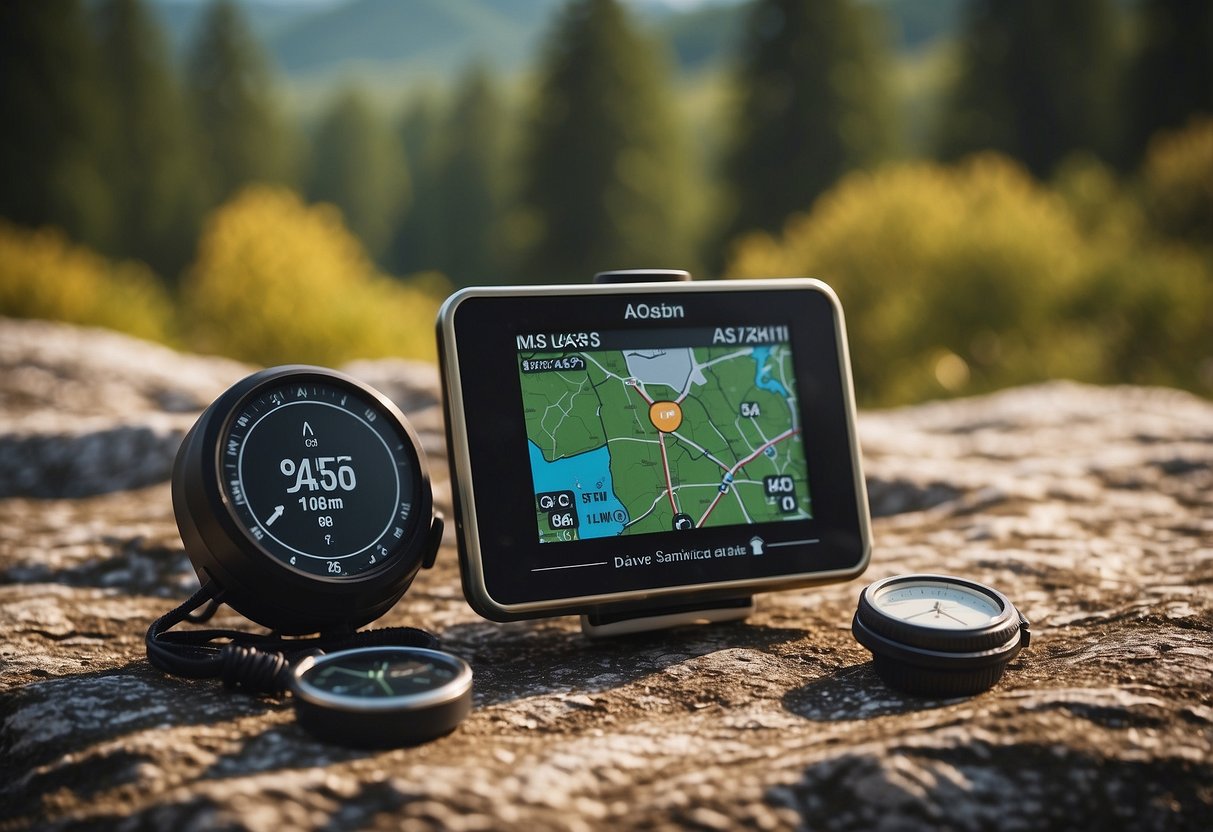
Venturing into the great outdoors can be an exhilarating experience, offering a sense of freedom and a connection with nature that is hard to replicate anywhere else. However, the wilderness also presents challenges, especially when it comes to navigation. Mastering outdoor navigation is crucial for any adventurer, ensuring not only the enjoyment of the journey but also safety and survival. This article explores the essential skills required for effective outdoor navigation, providing adventurers with the tools needed to chart their way through nature’s vast landscapes.
Understanding the Basics of Navigation
Before diving into the specifics of outdoor navigation techniques, it’s important to understand the foundational concepts. Navigation, in its simplest form, is the process of determining your current position and planning a route to your desired destination. This involves using maps, compasses, GPS devices, and natural landmarks.
Maps: More Than Just Paper
Maps are the most fundamental tool for navigation. Topographic maps, in particular, provide detailed information about the terrain, including elevation changes, trails, water bodies, and other key features. Learning to read a map involves understanding symbols, scales, and contour lines that represent the three-dimensional terrain on a two-dimensional surface.
The Compass: A Timeless Tool
While technology has revolutionized navigation, the compass remains an indispensable tool for any outdoor enthusiast. A compass helps determine direction relative to the Earth’s magnetic poles. It can be used in conjunction with a map to pinpoint your location and chart a course. Understanding how to use a compass, including taking bearings and aligning it with a map, is an essential skill.
Mastering Map and Compass Navigation
Combining maps and compasses is a time-tested method of navigation that can be used even when technology fails. Here are some techniques to master:
Orienting the Map
Start by orienting your map. This means aligning it with the actual terrain. Using a compass, align the map’s north with true north. This helps in correlating map features with real-world landmarks.
Taking a Bearing
A bearing is a direction to a particular point. To take a bearing, point the compass at your target, align the needle with the orienting arrow, and read the bearing on the dial. This helps you maintain a straight path toward a destination.
Triangulation
This technique is used to pinpoint your location on a map. By taking bearings to two distinct landmarks and plotting them on the map, you can determine your exact location where these lines intersect.
Embracing Modern Technology
In addition to traditional tools, technology offers advanced navigation aids that can enhance your outdoor experience. However, reliance on technology should be balanced with fundamental skills.
GPS Devices
GPS devices provide real-time location data and can be incredibly accurate. They are especially useful in areas with well-mapped trails. However, batteries can die, and signals can be lost, so they should not be your sole means of navigation.
Smartphone Apps
Several smartphone apps offer detailed maps and GPS functionalities. Apps like AllTrails and Gaia GPS allow users to download maps for offline use, providing a backup in areas without cell service. Always ensure your phone is protected and charged.
Using Natural Navigation Techniques
Nature itself provides numerous clues and tools for navigation. Learning to read these natural signs can be a valuable skill, especially when technology and traditional tools fail.
Sun and Stars
The sun rises in the east and sets in the west, providing a rough guide for direction during the day. At night, the North Star (Polaris) can be used to find true north in the Northern Hemisphere. Familiarize yourself with basic celestial navigation techniques for guidance.
Landmarks and Terrain
Prominent landmarks like mountains, rivers, and distinct rock formations can be used as reference points. Observing the terrain, such as the direction of river flow or the orientation of mountain ranges, can aid in maintaining your course.
Planning and Preparation
Successful navigation starts before setting foot on the trail. Thorough planning and preparation are crucial for a safe and enjoyable adventure.
Researching Your Route
Gather as much information as possible about your intended route. This includes studying maps, reading trail reports, and understanding the terrain and weather conditions. Knowing the location of water sources, potential hazards, and campsites is vital.
Creating a Navigation Plan
Develop a detailed navigation plan that includes your starting point, intended route, and estimated time for each segment. Share this plan with someone who is not accompanying you, so they know where to find you in case of an emergency.
Building Resilience and Flexibility
Even with meticulous planning and preparation, unexpected situations can arise. Building resilience and flexibility into your navigation strategy is essential.
Adapting to Changing Conditions
Weather, terrain, and physical conditions can change rapidly. Be prepared to adjust your route and plans accordingly. Carry extra supplies, such as food and water, for unforeseen delays.
Trusting Your Instincts
Sometimes intuition can be a powerful tool. If something feels off, take a moment to reassess your situation. Trusting your instincts, combined with your skills and knowledge, can help you make sound decisions.
Practice Makes Perfect
Like any skill, navigation improves with practice. Regularly challenge yourself with different terrains and conditions to refine your abilities.
Participate in Orienteering Events
Orienteering is a sport that combines navigation and racing. Participating in orienteering events can be a fun way to improve your navigation skills and build confidence in your abilities.
Conduct Regular Navigation Drills
Regularly practice taking bearings, triangulating positions, and using natural navigation techniques. These drills will keep your skills sharp and prepare you for real-world scenarios.
Conclusion
Mastering outdoor navigation is an essential skill for any adventurer seeking to explore the wilderness safely and enjoyably. By understanding and applying the techniques discussed in this article, adventurers can navigate with confidence, ensuring that their journeys are as rewarding as they are safe. Whether relying on traditional tools, embracing modern technology, or observing natural cues, the key is to be prepared, adaptable, and continually practice your skills. Happy adventuring!
#ChatGPT assisted in the creation of this article.




Post Comment