Master Campfire Building: Essential Tips for Beginners
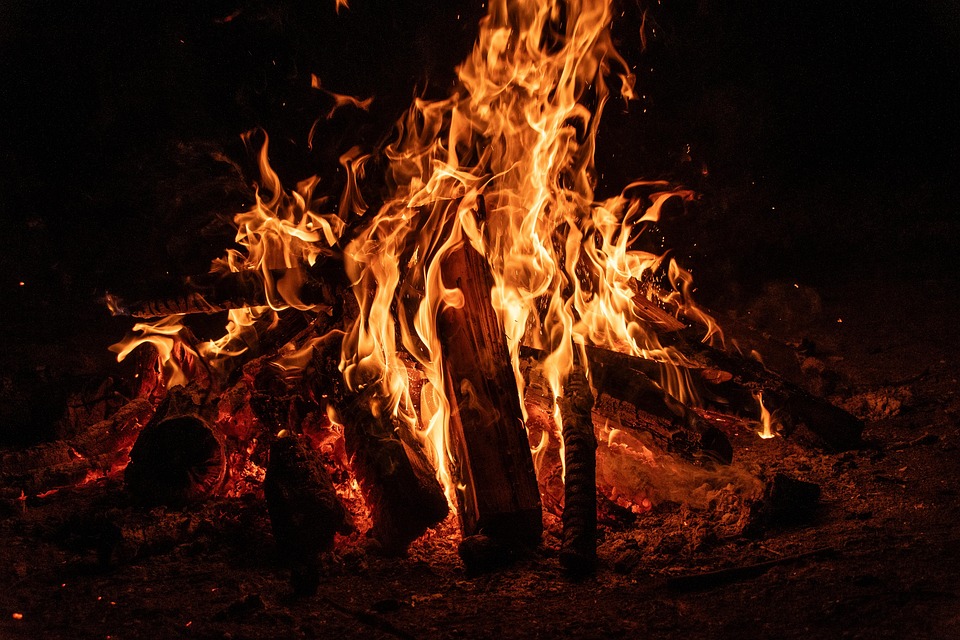
Building a campfire is a quintessential outdoor skill, offering warmth, a cooking source, and a gathering point for storytelling and camaraderie. Whether you’re a novice camper or a seasoned outdoor enthusiast, mastering the art of campfire building is essential for any camping adventure. This guide will walk you through the essential tips and techniques for building a successful campfire, ensuring you stay safe and enjoy your time in the great outdoors.
Understanding Campfire Basics
Before you gather materials and strike a match, it’s crucial to understand the basics of how a campfire works. A campfire needs three elements to thrive: fuel, heat, and oxygen. These elements are often referred to as the “fire triangle.”
Fuel
Fuel is any material that will burn and sustain the fire. The most common fuel sources for a campfire are wood, kindling, and tinder. Wood is the main fuel, kindling is smaller sticks or branches that catch fire easily, and tinder is small, dry, and easily combustible material used to start the fire.
Heat
Heat is necessary to ignite and sustain the fire. It can be provided by matches, a lighter, or a fire starter. The initial heat ignites the tinder, which in turn ignites the kindling and eventually the larger logs.
Oxygen
Oxygen is a critical component that allows the fire to breathe. Without enough oxygen, the fire will smother and go out. Proper arrangement of the fuel and maintaining airflow is crucial to keep the fire burning.
Choosing a Safe Location
Before building a campfire, it’s essential to select a safe location. Choose an area that is free from overhanging branches, dry grass, leaves, and other flammable materials. Ideally, use an existing fire ring if available, or create a fire pit by digging a shallow hole and surrounding it with rocks.
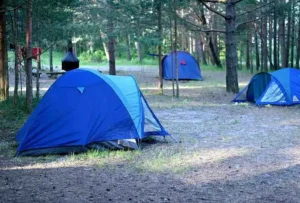
Ensure the site is at least 15 feet away from tents, trees, and other structures. Also, check local regulations and fire restrictions, as some areas may have bans due to dry conditions or fire hazards.
Gathering Materials
To build a successful campfire, you’ll need to gather three types of materials: tinder, kindling, and fuel wood.
Tinder
Tinder is the material that will catch fire from the initial spark. It’s essential to have dry tinder for a successful start. Some excellent tinder sources include dry leaves, grass, bark, wood shavings, or commercial fire starters.
Kindling
Kindling is slightly larger than tinder and is used to build up the fire. Look for dry twigs, small branches, or split pieces of wood about the size of a pencil.
Fuel Wood
Fuel wood consists of larger logs that will keep the fire burning. Choose pieces that are dry and free from moisture, ideally about the size of your forearm or larger. Hardwoods like oak or maple are excellent choices as they burn longer and provide more heat.
Building the Fire
There are several methods to build a campfire, but the most common and effective ones are the teepee, log cabin, and lean-to methods. Each has its advantages and can be chosen based on the specific needs and conditions of your campsite.
Teepee Method
The teepee method is one of the simplest and most effective ways to start a fire. Begin by placing a bundle of tinder in the center of the fire pit. Arrange kindling around the tinder in a cone shape, leaving space for oxygen to flow. As the kindling catches fire, add larger pieces of fuel wood to sustain the fire.
Log Cabin Method
The log cabin method involves stacking logs in a square shape, resembling a miniature cabin. Start by placing two larger logs parallel to each other in the fire pit. Stack two more logs perpendicular to the first two, creating a square. Place tinder and kindling inside the square, then continue building the log cabin structure with alternating layers of logs. Light the tinder and let the fire spread to the kindling and logs.
Lean-to Method
The lean-to method is useful in windy conditions and involves creating a windbreak with a larger log or rock. Place the tinder on the ground, lean a piece of kindling against the windbreak, and stack additional kindling and fuel wood on top. Light the tinder and let the fire grow.
Maintaining the Fire
Once your campfire is established, it’s important to maintain it. Add fuel wood as needed to keep the fire burning, and use a stick or poker to adjust the wood and maintain airflow. Be cautious not to add too much wood at once, as it can smother the fire.
Always keep a bucket of water, dirt, or sand nearby to extinguish the fire in case of an emergency. Never leave a campfire unattended, and ensure it is completely out before leaving the site or going to sleep.
Extinguishing the Fire
Properly extinguishing a campfire is essential for safety and environmental conservation. To put out the fire, follow these steps:
- Let the fire burn down naturally if possible.
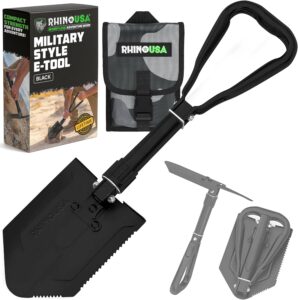
- Spread out the remaining wood and ashes using a stick or shovel.
- Pour water over the fire, ensuring all embers and ashes are soaked. If water is unavailable, use dirt or sand to cover the fire completely.
- Stir the ashes with a stick or shovel to ensure all embers are extinguished.
- Feel the ground where the fire was with the back of your hand. If it is still hot, continue adding water or dirt until it is cool to the touch.
Campfire Safety Tips
Safety is paramount when building and maintaining a campfire. Follow these safety tips to ensure a safe and enjoyable experience:
- Always supervise children and pets around the campfire.
- Keep a safe distance from the fire to avoid burns.
- Avoid wearing loose clothing that could catch fire.
- Never use gasoline or other flammable liquids to start or accelerate a fire.
- Be aware of wind conditions and adjust your fire-building method accordingly.
- Ensure the fire is completely extinguished before leaving the site.
Conclusion
Building a campfire is a fundamental skill that enhances any outdoor experience. By understanding the fire triangle, choosing a safe location, gathering the right materials, and using effective fire-building methods, you can master the art of campfire building. Always prioritize safety and environmental responsibility by maintaining control over the fire and properly extinguishing it. With practice and attention to detail, your campfire will become a focal point of warmth, cooking, and camaraderie during your camping adventures.
#ChatGPT assisted in the creation of this article.





Post Comment