Essential Survival Skills for Beginners: A Quick Guide
Whether you’re an outdoor enthusiast or just someone who enjoys a casual weekend hike, having a repertoire of basic survival skills can prove invaluable. This guide is crafted to introduce beginners to the essential skills needed to handle unexpected situations in the wild. Let’s delve into these crucial survival skills that can make all the difference when you’re out in the great outdoors.
Understanding the Rule of Threes
Before diving into specific skills, it’s important to grasp the “Rule of Threes,” a principle that helps prioritize actions in survival situations. The Rule of Threes states that you can survive:
- Three minutes without air
- Three hours without shelter in harsh conditions
- Three days without water
- Three weeks without food
Understanding this rule helps you prioritize what to focus on in a survival scenario.
Shelter: Your First Line of Defense
Choosing the Right Location
When it comes to building a shelter, location is key. Look for a spot that is dry, away from potential hazards like falling branches or flooding, and offers some natural protection from the elements, such as a rock face or dense foliage.
Building a Simple Shelter
A lean-to is one of the simplest shelters to construct. To build one, find or create a ridgepole by leaning a long branch against a sturdy support like a tree. Then, lean smaller branches along one side of the ridgepole to create a sloping roof. Cover with leaves, grass, or pine needles for insulation.
Water: The Lifeline for Survival
Finding Water Sources
In a survival situation, locating a water source is crucial. Look for natural indicators such as animal tracks, lush vegetation, or bird activity. Streams, rivers, and lakes are ideal, but if these are unavailable, dew and rainwater can be collected using leaves or tarps.
Purifying Water
Never assume water from natural sources is safe to drink. Boiling is the most effective method to purify water. If you have a container and a heat source, bring the water to a rolling boil for at least one minute. Alternatively, carry purification tablets or a portable filter as part of your survival kit.
Fire: A Multifunctional Survival Tool
Starting a Fire
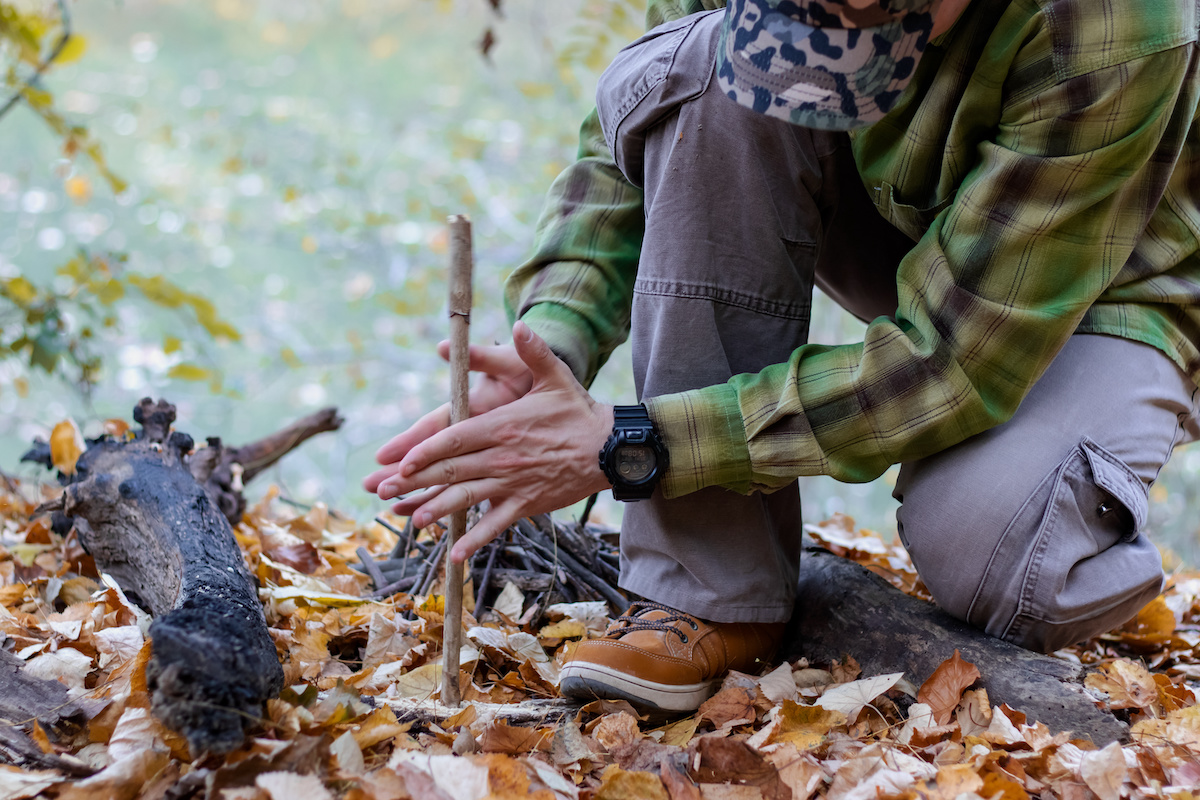
Fire provides warmth, enables cooking, and acts as a signal for help. To start a fire, gather tinder (dry leaves, grass, or bark), kindling (small sticks), and fuelwood (larger logs). Arrange your materials in a teepee or log cabin structure and ignite the tinder using matches, a lighter, or a fire starter.
Maintaining a Fire
Once your fire is lit, gradually add larger pieces of wood to keep it burning. Ensure the fire is contained and extinguish it completely before leaving the site to prevent wildfires.
Food: Sustaining Energy and Morale
Identifying Edible Plants
Learning to identify edible plants can provide essential nutrients. Familiarize yourself with common edible plants in your area before heading into the wild. Always adhere to the Universal Edibility Test if you’re uncertain about a plant’s safety.
Trapping and Fishing
While foraging is useful, trapping and fishing can provide protein-rich food. Simple snares can be crafted with basic materials like wire or cord. Fishing can be done with a basic line and hook, or by crafting a spear or fish trap.
Navigation: Finding Your Way
Using a Compass and Map
Basic navigation skills can prevent you from getting lost and help you find your way back to safety. Always carry a compass and a detailed map of the area. Practice reading topographic maps and using a compass to orient yourself.
Natural Navigation Techniques
If you find yourself without a compass, use natural navigation methods. The position of the sun and stars can help determine direction, as can environmental clues like moss growth (which typically faces north in the Northern Hemisphere).
First Aid: Handling Injuries and Emergencies
Basic First Aid Skills
Accidents can happen, and knowing basic first aid is crucial. Learn how to treat cuts, sprains, and insect bites. Always carry a first aid kit with bandages, antiseptic wipes, and any personal medications you may need.
Signaling for Help
In an emergency, signaling for help can speed up rescue efforts. A signal fire, whistle, or mirror can attract attention. Use the international distress signal of three short bursts or flashes to indicate you need assistance.
The Importance of Mental Fortitude
Survival isn’t just about physical skills; mental resilience is equally important. Staying calm, maintaining a positive attitude, and being adaptable can help you make rational decisions in stressful situations. Remember, panic is your worst enemy in survival scenarios.
Conclusion
While the wilderness provides incredible beauty and adventure, it also demands respect and caution. By mastering these essential survival skills, beginners can better prepare themselves for unexpected situations. Practice regularly, enhance your knowledge, and always prioritize safety. With the right skills and mindset, you can confidently explore and enjoy the great outdoors.
#ChatGPT assisted in the creation of this article.





Post Comment