Top Camping Essentials Every Beginner Must Have
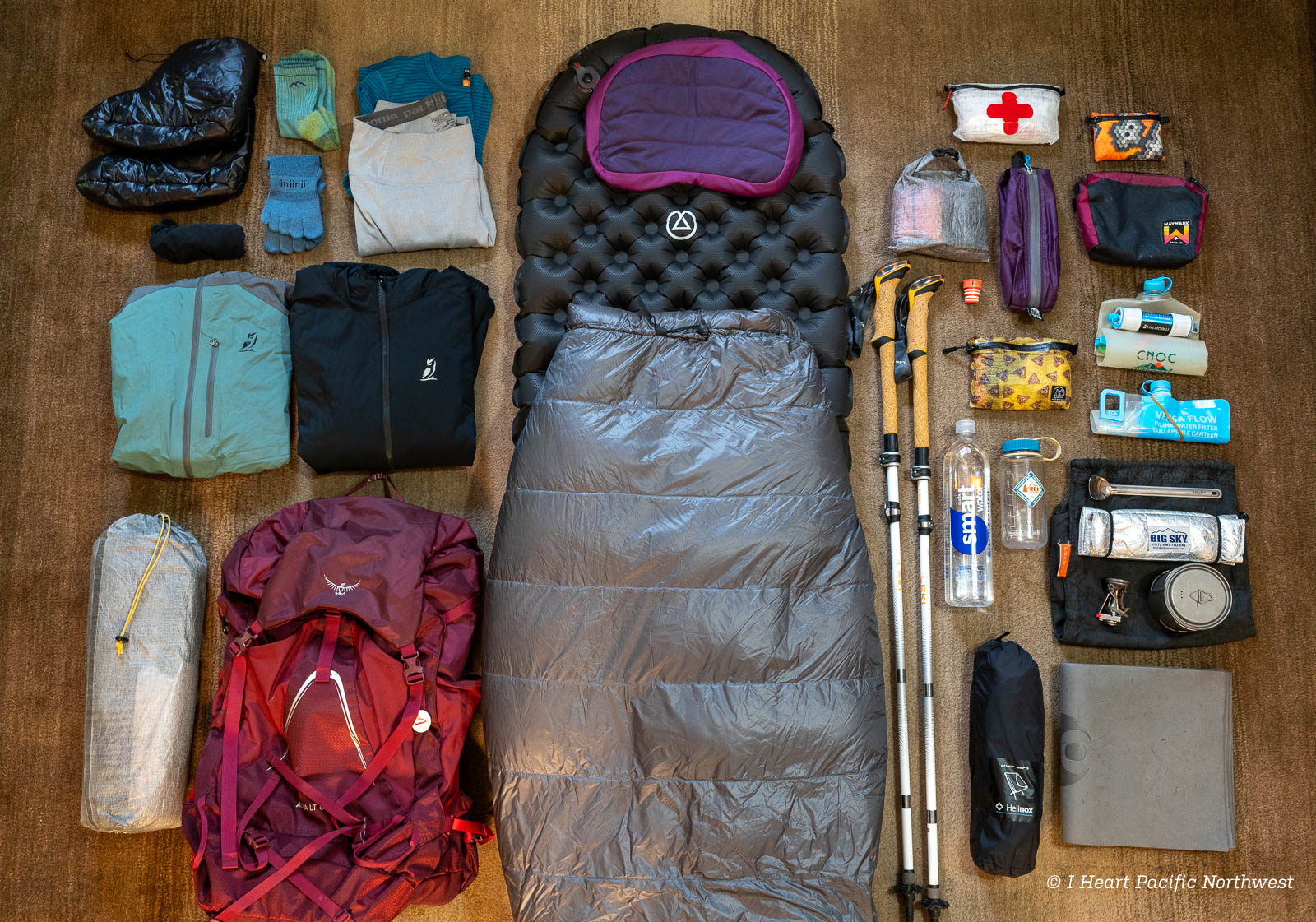
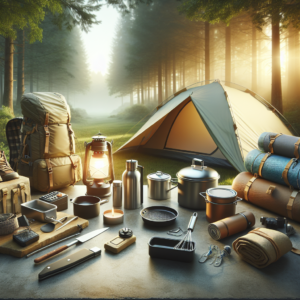
Camping has become an increasingly popular way to escape the hustle and bustle of modern life and reconnect with nature. Whether you’re heading to a national park or exploring a local campground, having the right gear can make your experience enjoyable and stress-free. For beginners, knowing what to pack can be overwhelming. This guide outlines the top camping essentials every beginner must have to ensure a successful outdoor adventure.
Tent
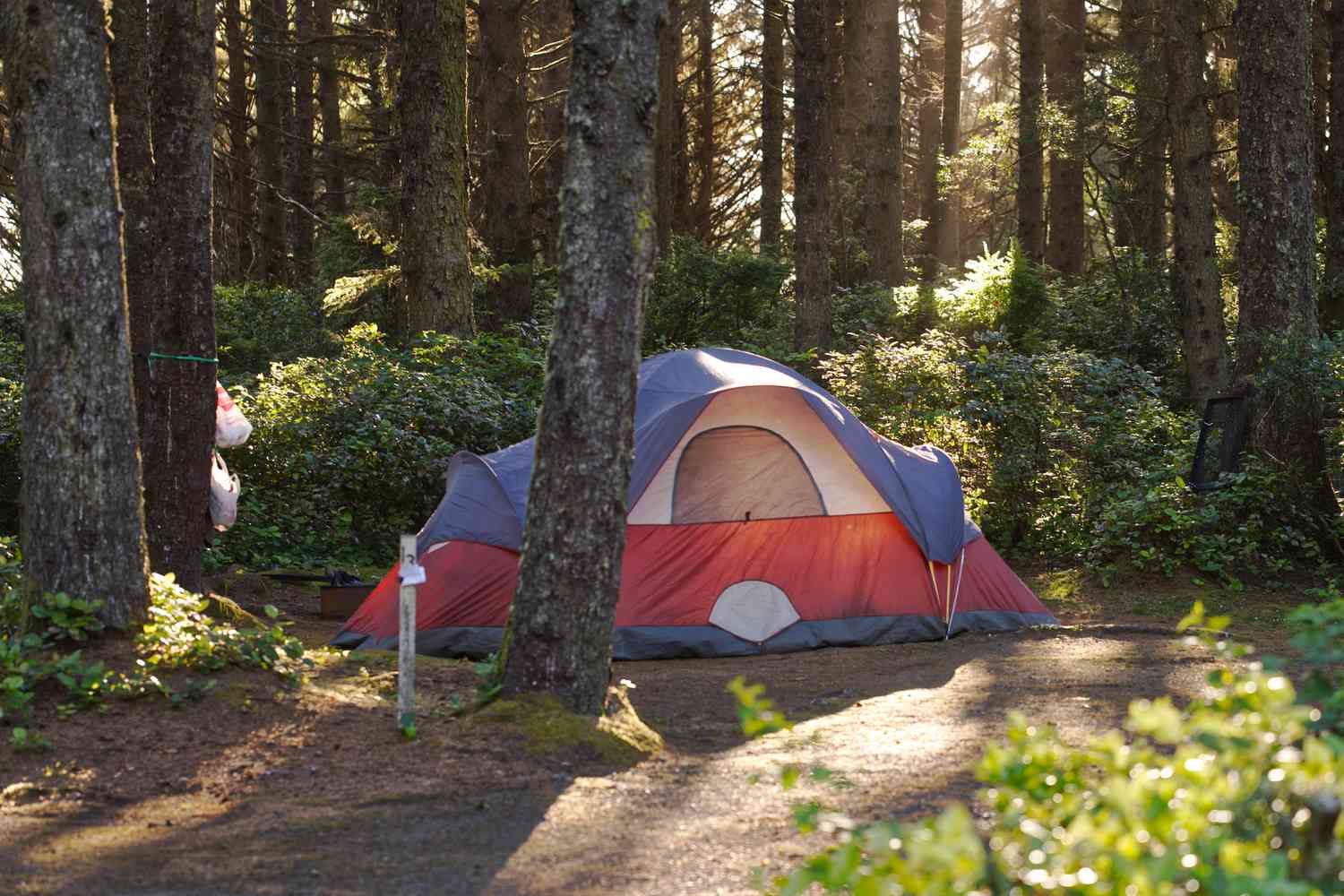
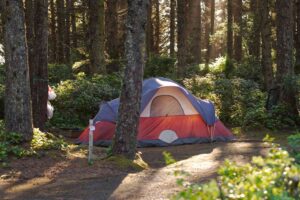
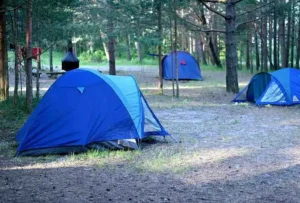
Your tent is your home away from home, providing shelter and protection from the elements. When choosing a tent, consider the number of people it needs to accommodate and the weather conditions you might encounter. A three-season tent is versatile and suitable for most conditions, offering protection from rain, wind, and moderate temperatures. Look for a tent with easy setup features, durable materials, and a rainfly for added waterproofing. Don’t forget to pack the tent stakes and a mallet for secure anchoring.
Sleeping Bag
A comfortable sleeping bag is essential for a good night’s sleep in the great outdoors. Choose a sleeping bag suitable for the expected temperatures of your camping location. Sleeping bags are categorized by their temperature ratings, so select one that can keep you warm on the coldest nights you expect to encounter. Consider the bag’s material and weight, especially if you’re hiking to your campsite. Synthetic materials are excellent for wet conditions, while down sleeping bags offer superior warmth-to-weight ratios.
Sleeping Pad
To enhance comfort and insulation from the cold ground, a sleeping pad is a must-have. Not only does it provide cushioning, but it also helps retain body heat. There are three main types of sleeping pads: closed-cell foam, air pads, and self-inflating pads. Closed-cell foam pads are lightweight and durable, air pads offer superior comfort, and self-inflating pads combine the best of both worlds. Choose one based on your comfort preference and weight constraints.
Backpack
A good-quality backpack is vital for carrying your gear, especially if you’re hiking to your campsite. Look for a backpack that fits your torso length and has adjustable straps for comfort. Consider the capacity, measured in liters, which should be adequate for your gear and duration of your trip. Features like multiple compartments, hydration reservoir compatibility, and external attachment points can enhance convenience and organization.
Cooking Gear
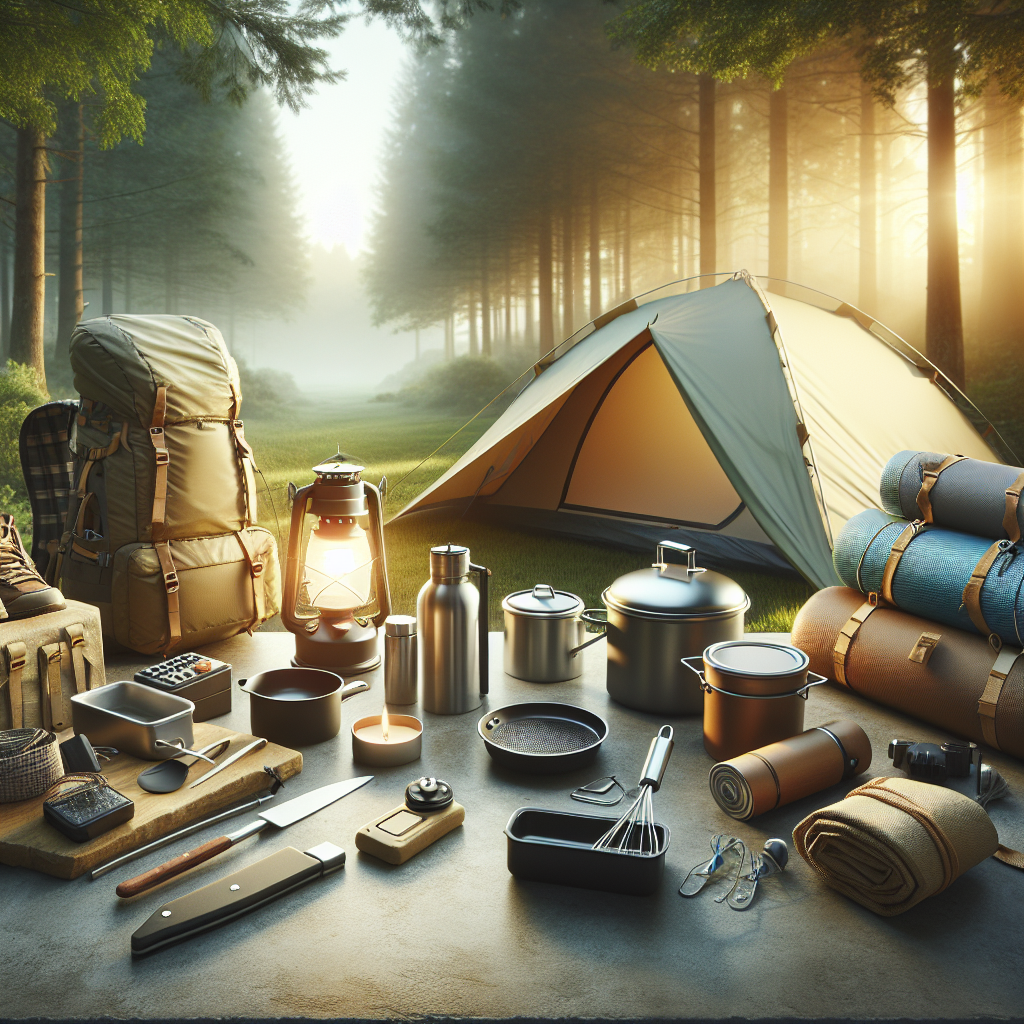
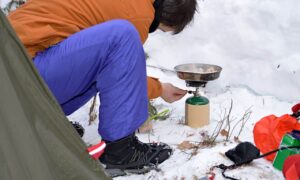
Cooking in the wilderness can be a delightful experience with the right equipment. A portable camping stove or a lightweight backpacking stove is essential for preparing meals. Make sure to bring fuel canisters compatible with your stove. Additionally, pack a lightweight pot or pan, a camping kettle, eating utensils, and a multi-tool for food preparation. Don’t forget biodegradable soap, a sponge, and a small towel for cleaning up.
Water Filtration System
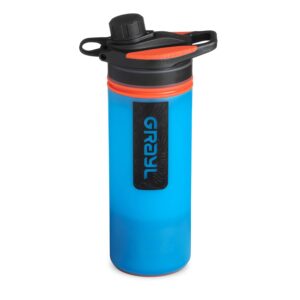
Access to clean water is crucial when camping, especially if you’re in a remote location. A water filtration system or purification tablets are essential to ensure safe drinking water. Portable water filters are easy to use and can filter out bacteria and protozoa. Alternatively, purification tablets are lightweight and effective, though they may leave a slight aftertaste. Always have a backup method for water purification in case of emergencies.
First Aid Kit
Accidents can happen, and having a well-stocked first aid kit can be lifesaving. Your kit should include adhesive bandages, antiseptic wipes, gauze pads, tweezers, adhesive tape, pain relievers, and any personal medications. Consider adding items like insect bite treatment, blister care, and a first aid manual. It’s important to familiarize yourself with the contents and know how to use them effectively.
Clothing and Footwear
Appropriate clothing and footwear are crucial for comfort and safety during your camping trip. Dress in layers to adapt to changing weather conditions. Moisture-wicking base layers, insulating mid-layers, and a waterproof outer shell are ideal. Pack a hat, gloves, and a scarf for cooler temperatures, and don’t forget a sun hat and sunglasses for sun protection. Sturdy, waterproof hiking boots or shoes provide support and traction on uneven terrain.
Lighting
Having adequate lighting is essential for navigating the campsite after dark. A headlamp is a hands-free option that provides focused light where you need it. Additionally, bring a portable lantern for ambient lighting around your campsite. Make sure to pack extra batteries or a solar charger to keep your lights powered throughout your trip.
Navigation Tools
While smartphones offer GPS capabilities, it’s crucial to have backup navigation tools in case of a dead battery or lack of service. A map and compass are reliable options for navigating unfamiliar terrain. Learn how to use them before your trip, ensuring you can find your way in any situation. Consider a GPS device for added security in remote areas.
Fire Starters
Building a fire is an essential camping skill for warmth, cooking, and ambiance. Pack waterproof matches, a lighter, and fire starters to ensure you can ignite a fire under various conditions. Practice fire safety and follow Leave No Trace principles, ensuring your fire is completely extinguished before leaving the area.
Multi-tool or Knife
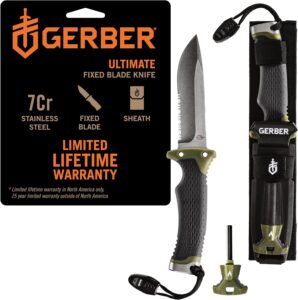
A multi-tool or knife is a versatile item that can assist with numerous tasks, from preparing food to repairing gear. Look for a multi-tool with a variety of functions, including a knife, scissors, screwdriver, and bottle opener. Ensure it’s lightweight and easy to carry in your backpack or pocket.
Trash Bags
Part of responsible camping is leaving no trace. Bring sturdy, sealable trash bags to pack out all waste, including food scraps, used hygiene products, and packaging materials. Dispose of your trash properly once you return to civilization. This practice helps preserve the natural beauty of the camping area and minimizes the impact on wildlife.
Conclusion
Embarking on your first camping adventure is an exciting opportunity to connect with nature and create lasting memories. By packing these top camping essentials, beginners can ensure a safe, comfortable, and enjoyable experience. Remember to plan ahead, check the weather, and familiarize yourself with your gear before heading out. With the right preparation and mindset, you’ll be well on your way to becoming an avid camper, ready to explore the great outdoors.
#ChatGPT assisted in the creation of this article.


Post Comment