Top Outdoor Safety Tips for Every Adventurer
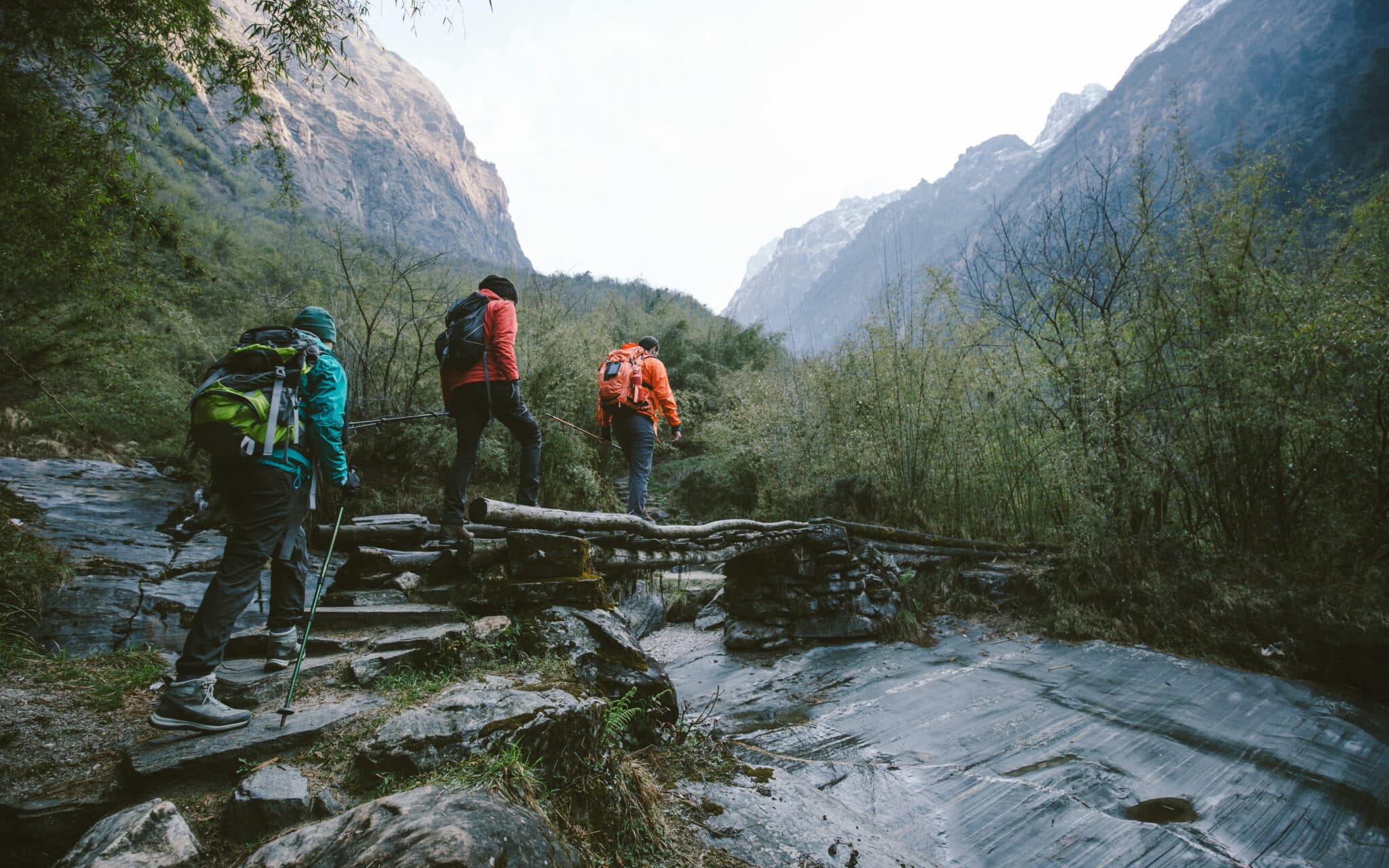
Embarking on an outdoor adventure can be one of the most exhilarating experiences, offering a chance to connect with nature, test your limits, and escape the hustle and bustle of everyday life. However, with the thrill of adventure comes the responsibility of ensuring safety. Whether you’re a seasoned explorer or a novice enthusiast, understanding the fundamentals of outdoor safety is crucial. This article presents top outdoor safety tips that every adventurer should keep in mind to enjoy nature responsibly and safely.
Plan and Prepare
Research Your Destination
Before setting out, conduct thorough research on your chosen destination. Understand the terrain, weather conditions, and any potential hazards you might encounter. Knowing what to expect will help you prepare adequately and mitigate risks.
Check the Weather
Weather can change rapidly in outdoor environments. Always check the weather forecast leading up to your trip and remain updated on any sudden changes. Pack appropriate clothing and gear to match the expected conditions. Remember, it’s better to postpone an adventure than to risk your safety in extreme weather.
Inform Someone About Your Plans
Always inform a friend or family member about your itinerary. Provide details such as your starting point, route, destination, and expected return time. In case of an emergency, this information will be invaluable for search and rescue teams.
Equip Yourself Properly
Wear Appropriate Clothing and Footwear
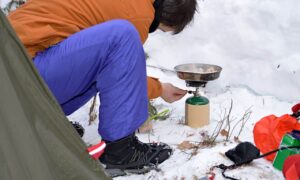
Dress in layers to adjust to changing weather conditions. Moisture-wicking fabrics help keep you dry, while insulated layers provide warmth. Sturdy, waterproof footwear with good traction is essential to navigate different terrains safely.
Carry Essential Gear
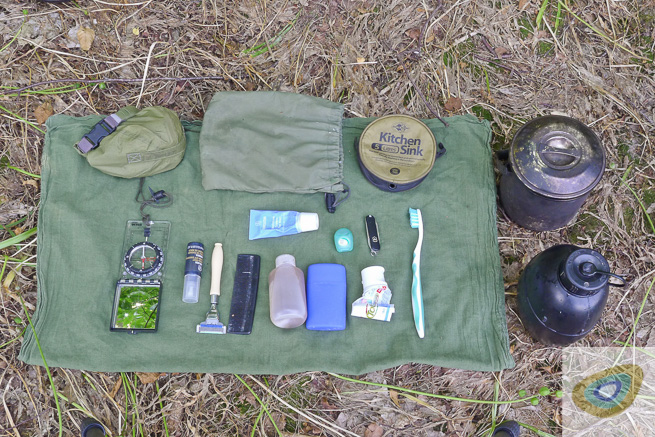
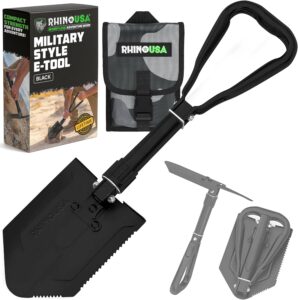
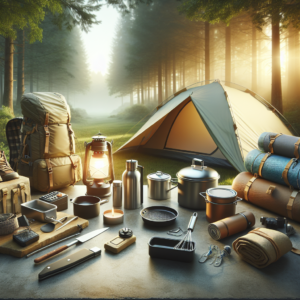
Always pack the ten essentials: navigation tools (map and compass or GPS), sun protection, insulation, illumination (flashlight or headlamp), first-aid supplies, fire starters, repair kit and tools, nutrition, hydration, and emergency shelter. These items can prove vital in unexpected situations.
Practice Navigation Skills
Familiarize Yourself with Maps and Compasses
Even in this digital age, traditional maps and compasses remain reliable tools for navigation. Learn how to read topographic maps and use a compass effectively. This knowledge can prevent you from getting lost, particularly in areas with poor GPS reception.
Use GPS Devices Cautiously
While GPS devices are incredibly useful, they are not infallible. Batteries can die, or signals can be lost. Always have a backup navigation method and conserve your device’s battery life by turning it off when not in use.
Understand Wildlife Safety
Maintain a Safe Distance
Respect wildlife by observing from a distance. Getting too close can provoke aggressive behavior, especially from animals protecting their young or territory. Use binoculars for a better view without disturbing them.
Store Food Properly
Improper food storage can attract wildlife, posing a danger to both you and the animals. Use bear-proof containers and hang food at least 12 feet off the ground and 6 feet away from tree trunks when in bear country.
Stay Hydrated and Nourished
Bring Sufficient Water
Dehydration can occur quickly, especially during physical activity. Carry enough water for your journey and consider bringing a water filter or purification tablets if you plan to refill from natural sources.
Pack Nutrient-Rich Foods
High-energy foods such as nuts, dried fruits, and energy bars provide essential nutrients and can sustain you during strenuous activities. Plan meals that are lightweight yet packed with calories and nutrition.
Be Aware of Your Surroundings
Stay on Marked Trails
Sticking to established trails reduces the risk of getting lost and minimizes your impact on the environment. Venturing off-trail can lead to erosion and damage to delicate ecosystems.
Be Vigilant
Constantly assess your surroundings for any potential hazards, such as unstable ground, falling rocks, or changing weather conditions. This awareness can prevent accidents and ensure a safer adventure.
Emergency Preparedness
Know Basic First Aid
Enroll in a basic first aid and CPR course. Being able to address injuries like cuts, sprains, or hypothermia can make a significant difference in an emergency situation.
Have a Communication Plan
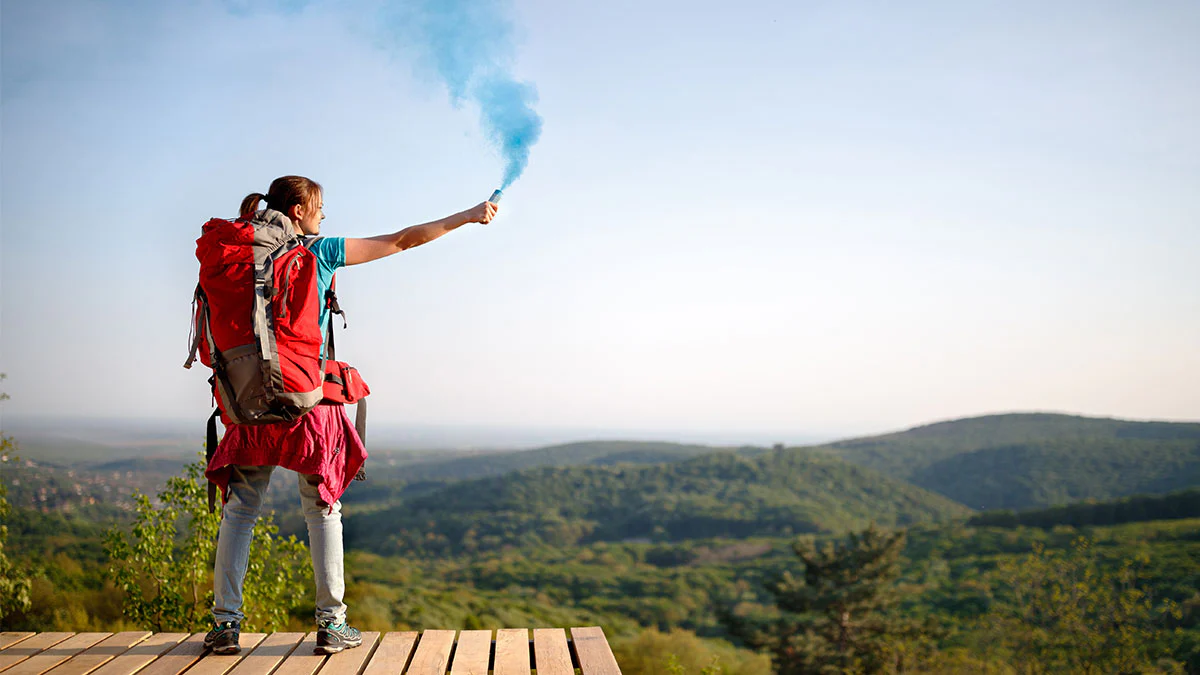
In remote areas, cell phone coverage may be unreliable. Consider carrying a personal locator beacon (PLB) or a satellite messenger to send distress signals if needed. Establish a check-in schedule with someone back home to ensure your safety is monitored.
Respect the Environment
Leave No Trace
Adopt the Leave No Trace principles to minimize your impact on nature. Pack out all trash, avoid picking plants, and camp on durable surfaces. Preserve the beauty of the outdoors for future adventurers.
Follow Local Regulations
Obey all rules and guidelines set by park authorities or land management agencies. These regulations are in place to protect both the environment and visitors, ensuring a safe and sustainable outdoor experience.
Conclusion
Whether you’re hiking through dense forests, climbing rugged mountains, or exploring serene coastlines, safety should always be a top priority. By planning meticulously, equipping yourself properly, and respecting nature, you can mitigate risks and make the most of your outdoor adventures. Remember, the goal is not just to reach your destination, but to return home safely. Embrace these safety tips and enjoy the wonders of the great outdoors responsibly.




Post Comment