Ultimate First-Time Camping Guide for Beginners
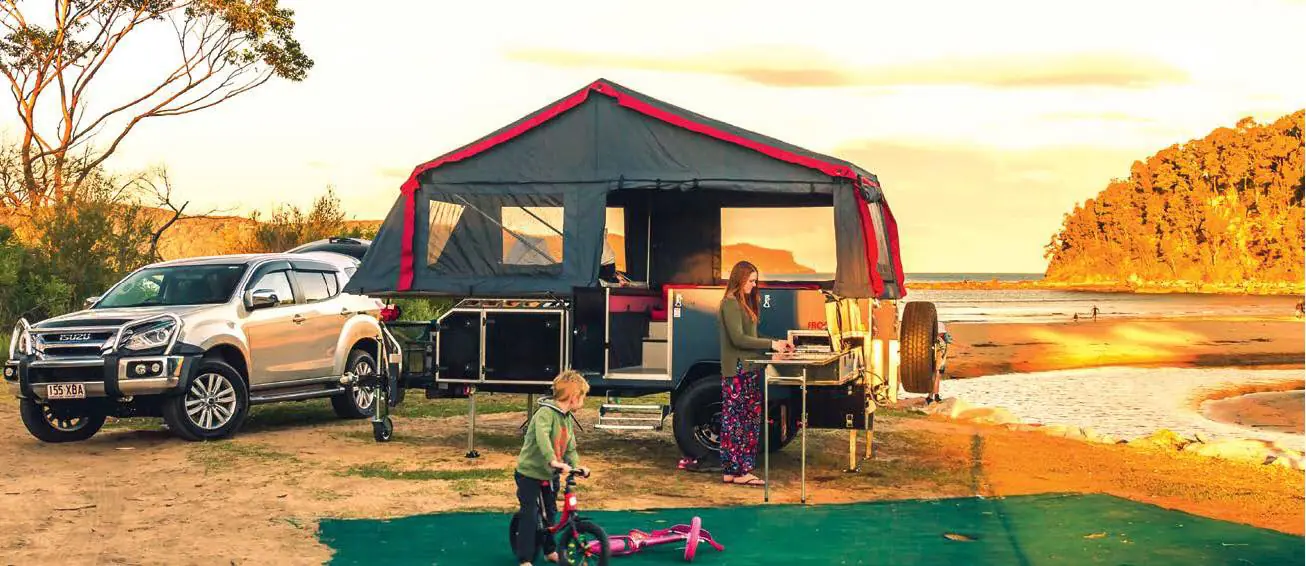
Camping is a fantastic way to disconnect from the hustle and bustle of everyday life and reconnect with nature. However, if you’re new to camping, the thought of spending a night in the wilderness can be both exciting and daunting. Fear not! This ultimate first-time camping guide for beginners will help you prepare for your adventure with confidence. From choosing the right gear to understanding camping etiquette, we’ve got you covered.
Choosing the Right Campsite
Selecting the right campsite is crucial for a successful camping experience. As a beginner, it’s best to start with a well-established campground. Here are a few factors to consider:
Location
Choose a campsite that is not too far from home for your first trip. This way, if anything goes wrong or if you forget something crucial, it’s easy to return. Look for campgrounds that offer facilities like restrooms and potable water to make your first camping experience more comfortable.
Type of Campsite
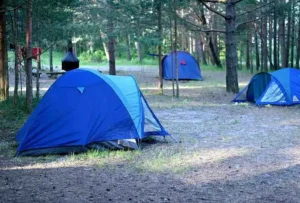
Campgrounds come in various types, such as tent sites, RV sites, and cabin rentals. For beginners, a tent site is often the best choice, offering an authentic camping experience while still providing basic amenities.
Accessibility
Check the accessibility of the campsite. If you’re not ready for a backcountry adventure, choose a site that you can easily drive to, with parking close by. This makes it easier to transport your gear and set up camp.
Essential Camping Gear
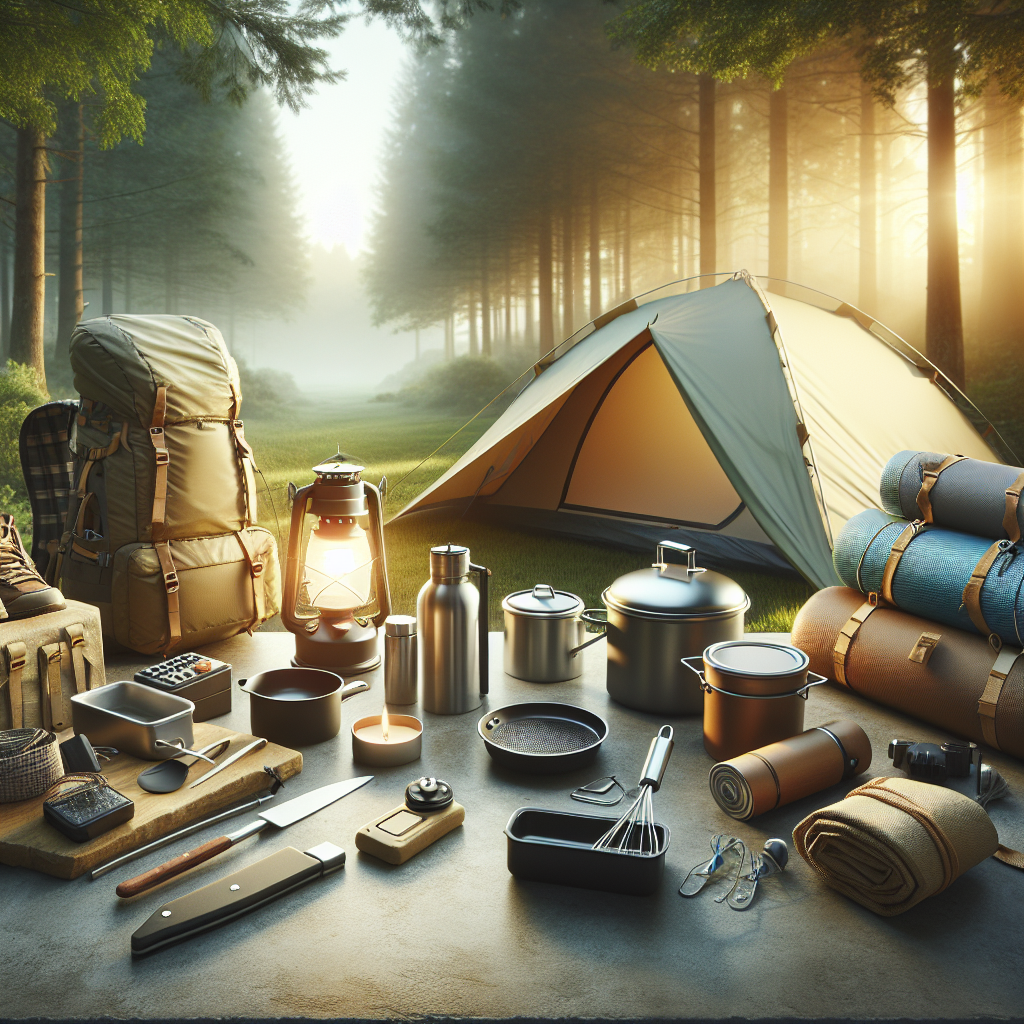
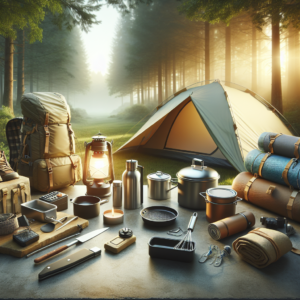
Having the right equipment is essential for a successful camping trip. Here’s a list of must-have gear for beginners:
Tent
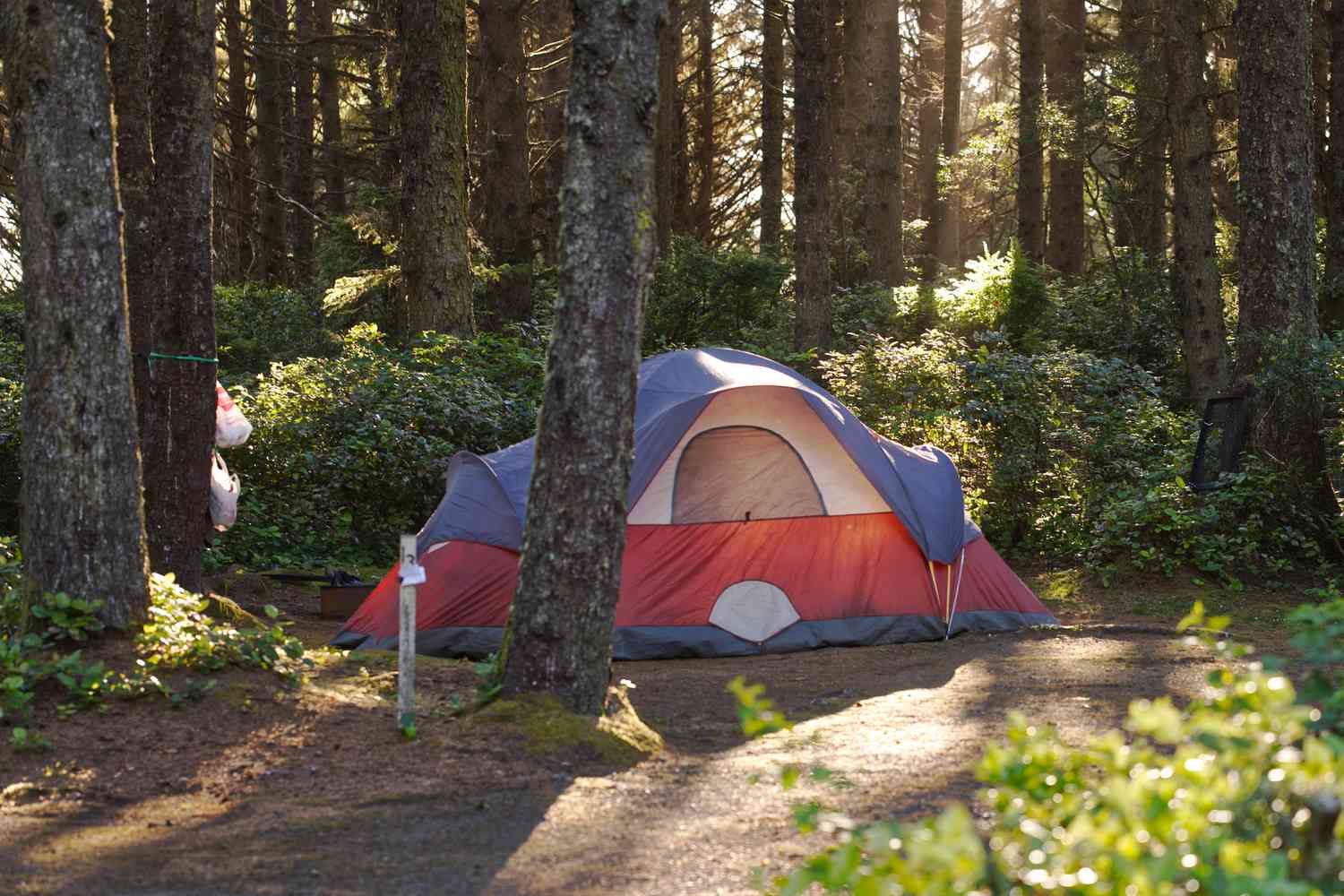
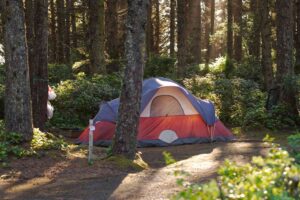
Invest in a good quality tent that can withstand weather conditions. Ensure that it is easy to set up and provides enough space for you and your camping companions. Don’t forget to bring a ground tarp to place under your tent for added protection against moisture.
Sleeping Bag and Sleeping Pad
Choose a sleeping bag that suits the season and temperature of your camping location. A sleeping pad or an inflatable mattress will provide added comfort and insulation from the ground.
Cooking Equipment
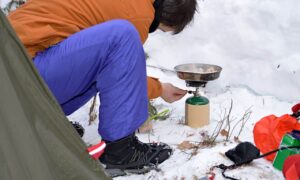
A portable camping stove is ideal for cooking meals. Don’t forget to bring fuel canisters, matches or a lighter, and basic cooking utensils. A cooler is also essential for keeping perishable food items fresh.
Lighting
Pack a reliable flashlight or headlamp with extra batteries. A lantern can also be useful for illuminating your campsite at night.
Clothing
Dress in layers to accommodate changing weather conditions. Pack a waterproof jacket, comfortable hiking boots, and a hat for sun protection.
First Aid Kit
A basic first aid kit is a must-have for any camping trip. Include items like band-aids, antiseptic wipes, pain relievers, and any personal medications.
Planning Your Meals
Planning and preparing meals ahead of time can make your camping trip more enjoyable. Keep meals simple and easy to prepare. Here are a few tips:
Plan Ahead
Create a meal plan for each day of your trip. Consider meals that require minimal cooking and cleanup, such as sandwiches and one-pot meals.
Prep at Home
Chop vegetables, marinate meats, and pre-cook rice or pasta at home. Store them in airtight containers or zip-lock bags for easy transportation.
Bring Non-Perishable Snacks
Pack snacks like trail mix, granola bars, and dried fruits that don’t require refrigeration and can be eaten on the go.
Setting Up Camp
Setting up camp efficiently will allow you to relax and enjoy your surroundings. Follow these steps to create a comfortable campsite:
Pitch Your Tent
Choose a flat, dry area to set up your tent. Make sure the entrance is facing away from the wind. Secure the tent with stakes and guy lines to ensure stability.
Organize Your Gear
Keep your campsite tidy by organizing your gear. Store food and scented items in a bear-proof container or hang them from a tree to prevent attracting wildlife.
Set Up a Cooking Area
Designate a specific area for cooking. Use a picnic table if available, or set up a portable table. Keep your cooking area away from the tent to minimize fire hazards.
Understanding Camping Etiquette
Respecting the environment and fellow campers is crucial for a positive camping experience. Here are some basic camping etiquette tips:
Leave No Trace
Practice the Leave No Trace principles by cleaning up all trash and minimizing your impact on the environment. Pack out everything you bring in, including food scraps and biodegradable waste.
Respect Quiet Hours
Most campgrounds have designated quiet hours. Be mindful of noise levels, especially in the early morning and late evening.
Be Considerate of Wildlife
Observe wildlife from a distance and never feed them. Feeding animals can alter their natural behaviors and pose risks to both animals and campers.
Staying Safe While Camping
Safety should be your top priority while camping. Here are some tips to ensure a safe trip:
Check the Weather
Monitor the weather forecast leading up to your trip and pack accordingly. Be prepared for sudden changes in weather conditions.
Know the Area
Familiarize yourself with the campsite and surrounding area. Know the location of the nearest ranger station and emergency contacts.
Fire Safety
If campfires are permitted, build them in designated fire rings and never leave them unattended. Keep a bucket of water or sand nearby to extinguish the fire completely before leaving or going to sleep.
Conclusion
Camping for the first time is an exciting adventure that can lead to a lifetime of enjoyment in the great outdoors. By following this ultimate first-time camping guide for beginners, you’ll be well-prepared for a safe and enjoyable experience. Remember to plan ahead, respect nature and fellow campers, and most importantly, have fun. With each trip, your confidence and skills will grow, paving the way for more adventurous camping experiences in the future.


Post Comment