Essential Camping Survival Tips for Every Outdoor Adventurer
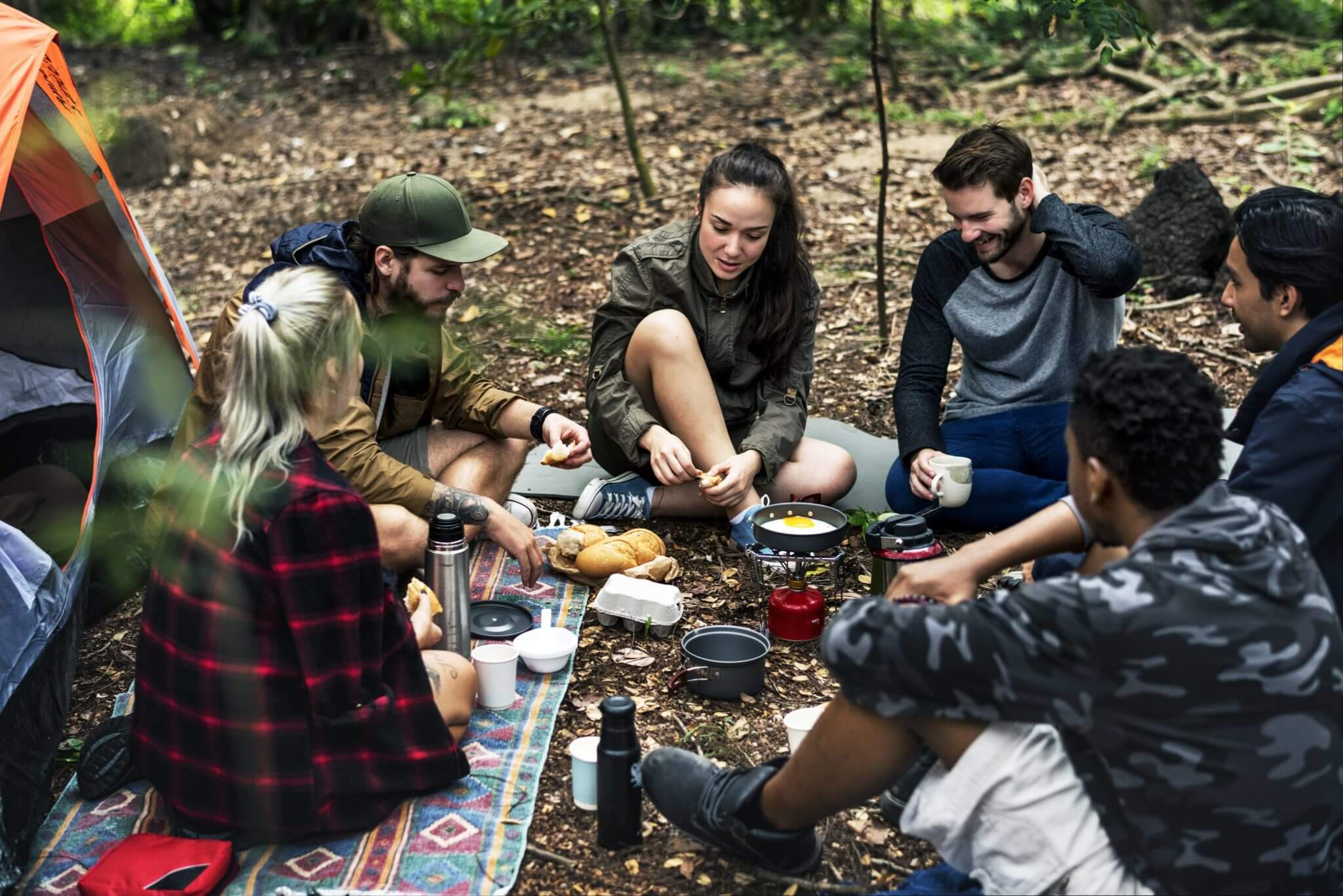
Camping is one of the most rewarding ways to connect with nature, offering a chance to escape the hustle and bustle of daily life. However, embarking on an outdoor adventure requires adequate preparation and knowledge to ensure a safe and enjoyable experience. Whether you are a seasoned camper or a novice, understanding essential survival tips is crucial. This guide explores fundamental camping survival strategies to help every adventurer thrive in the wilderness.
Planning and Preparation
Success in camping begins long before you arrive at your campsite. Meticulous planning and preparation are vital to ensuring a safe and successful outing. Here are key aspects to consider:
Research Your Destination
Understanding the terrain, climate, and potential hazards of your chosen location is imperative. Research the area’s wildlife, weather conditions, and any specific local regulations. This knowledge allows you to tailor your gear and supplies accordingly.
Pack Essential Gear
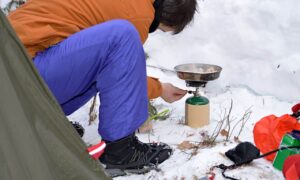
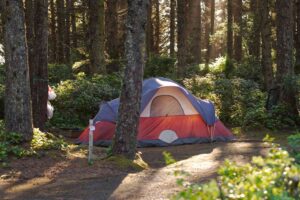
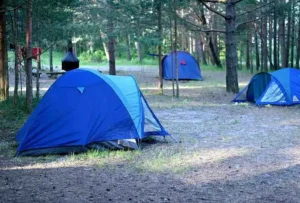
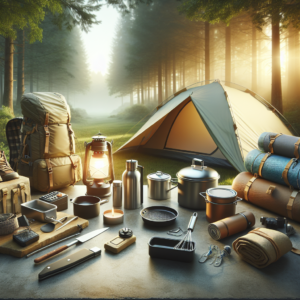
Ensure you have the right equipment for your trip. This includes a reliable tent, sleeping bag suitable for the climate, a first-aid kit, a portable stove or cooking apparatus, and proper clothing. It’s crucial to pack layers, rain gear, and sturdy footwear to adapt to changing weather conditions.
Inform Someone of Your Plans
Always inform a friend or family member about your camping plans, including your destination, itinerary, and expected return date. This precaution ensures that someone is aware of your whereabouts in case of an emergency.
Basic Survival Skills
Equipping yourself with basic survival skills is essential for handling unexpected situations. These skills increase your confidence and improve your ability to make sound decisions in the wilderness.
Building a Shelter
In case of an emergency, knowing how to build a shelter can protect you from harsh weather conditions. Practice constructing a simple lean-to or debris hut using natural materials like branches and leaves. This skill is crucial if your tent becomes unusable or if you find yourself away from your campsite.
Starting a Fire
Fire is a vital component of survival, providing warmth, light, and the ability to cook food. Always carry waterproof matches or a fire starter kit. Practice building a fire using different techniques, such as the teepee or log cabin structure. Remember to adhere to fire safety protocols and ensure fires are completely extinguished before leaving your campsite.
Navigating in the Wilderness
Understanding how to navigate using a map and compass is indispensable. While GPS devices are helpful, they are not infallible. Learn to read topographical maps and identify natural landmarks to orient yourself. This skill is essential if you become disoriented or need to find your way back to camp.
Food and Water Management
Proper management of food and water resources is crucial for maintaining energy and hydration levels during your camping trip.
Safe Drinking Water
Access to clean water is paramount. Always carry a water purification method, such as a portable filter, purification tablets, or a UV purifier. Familiarize yourself with local water sources and ensure you have enough supply to last your trip.
Efficient Food Storage
Proper food storage prevents attracting wildlife to your campsite. Use bear-proof containers or hang food in a tree away from your sleeping area. Plan meals that are easy to cook and require minimal preparation, ensuring you have enough sustenance for the duration of your trip.
Wildlife Safety
Encounters with wildlife are a possibility during any camping trip. Understanding how to coexist safely with animals is essential for a harmonious outdoor experience.
Respecting Wildlife
Maintain a safe distance from all wildlife, and never attempt to feed or approach animals. Observe them from afar and use binoculars for a closer look. Respecting their space minimizes the risk of dangerous encounters.
Bear Safety
In bear country, knowledge of bear behavior and safety is critical. Carry bear spray and know how to use it effectively. Store all scented items, including toiletries, in secure containers. In the event of a bear encounter, remain calm, slowly back away, and avoid running.
Emergency Preparedness
Being prepared for emergencies is a cornerstone of camping survival. Having a plan in place can make a significant difference in critical situations.
First Aid Knowledge
Carry a comprehensive first-aid kit and familiarize yourself with basic first-aid procedures. Understanding how to treat common injuries such as cuts, burns, and sprains is essential. Consider taking a wilderness first-aid course to enhance your skills.
Communication Devices
In remote areas, communication devices such as a satellite phone or a personal locator beacon (PLB) can be lifesaving. Ensure these devices are charged and accessible, and know how to use them in an emergency.
Leave No Trace Principles
Practicing Leave No Trace principles ensures that natural environments remain pristine for future generations. Follow these guidelines to minimize your impact on the environment:
Dispose of Waste Properly
Pack out all trash and waste, including organic matter. Use designated facilities for human waste or dig a cathole at least 200 feet from water sources. Leave campsites cleaner than you found them.
Respect Wildlife and Vegetation
Stay on designated trails to protect vegetation and prevent soil erosion. Avoid picking plants or disturbing wildlife habitats. Observe animals from a distance to avoid stress or harm.
Conclusion
Camping is an enriching experience that demands respect for nature and preparation for unforeseen challenges. By equipping yourself with essential survival skills, practicing safety measures, and adhering to Leave No Trace principles, you can ensure a safe and enjoyable adventure. Embrace the beauty of the wilderness, knowing you are prepared to handle whatever nature presents.
#ChatGPT assisted in the creation of this article.





Post Comment